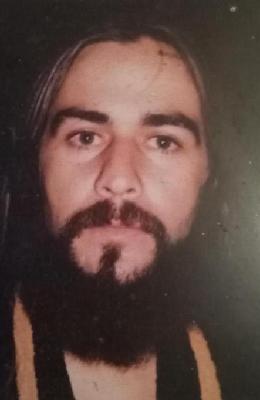
Edward "Riverboat" Riley Jr., a 34-year-old Caucasian male, met a tragic end on April 30, 1974, in Broward County, Florida. Riley, along with his associates Albert "Oskie" Simmons and George "Whiskey George" Hartman, was involved in gun running activities when they were ambushed by members of the rival Outlaws Motorcycle Club. The ambush led to their execution-style murders, a brutal act that shocked the local community.
The bodies of Riley and his companions were discovered weighted
down with concrete blocks in a water-filled gravel pit north of Fort Lauderdale. This gruesome discovery highlighted the violent rivalry between the Hell's Angels, to which Riley belonged, and the Outlaws Motorcycle Club. The murders were part of a larger pattern of violence between these two notorious motorcycle gangs, which often resulted in deadly confrontations.
In the aftermath of the murders, several members of the Outlaws were implicated. James "Big Jim" Nolan, the leader of the Outlaws' South Florida chapter, stood trial three times for ordering the murders but was ultimately acquitted in 1979. However, other members of the Outlaws faced different fates. Henry "Funky Tim" Amis was sentenced to life in prison for his role in the killings but was later killed during a prison fight. William "Gatemouth" Edson and Ralph "Lucifer" Yannotta received lesser sentences after testifying against Nolan.
One of the key suspects, Edward "Spider" Risinger, remained a fugitive for many years. He was eventually captured in northwestern Indiana in 1991 after being stopped for speeding. Risinger, who had been living under an alias, was extradited to Florida to face charges related to the 1974 murders. His capture brought some closure to the long-standing case, although the violent legacy of the motorcycle gang rivalry continued to cast a shadow over the region.
The murder of Edward "Riverboat" Riley Jr. and his companions remains a stark reminder of the deadly consequences of gang violence and the complex web of loyalty and betrayal that often accompanies such criminal enterprises. The legal proceedings and investigations that followed their deaths highlighted the challenges law enforcement faced in bringing justice to those involved in such organized crime.