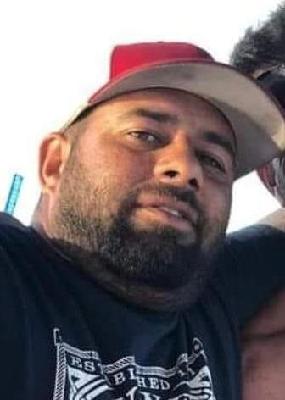
Mario J. Amador, a 33-year-old Cuban male from Hialeah, Florida, was tragically murdered on January 22, 1986. Born on April 23, 1952, in Guanajay, Artemisa, Cuba, Mario's life was cut short in a brutal crime that shocked the local community. His death was part of a series of murders committed by Manuel Pardo Jr., a former police officer turned serial killer. Pardo, who was convicted of nine murders, including that of Mario J.
Amador, was executed in Florida on December 11, 2012.
The investigation into Mario J. Amador's death revealed that he was one of the victims in a spree of killings carried out by Pardo and his accomplice, Rolando Garcia. Pardo admitted to the murders, claiming he was ridding the world of drug dealers and other criminals. However, his victims, including Mario, were not all involved in criminal activities, leading to widespread outrage and a complex legal battle.
Rolando Garcia was initially charged alongside Pardo in a multi-count indictment for several murders, including that of Mario J. Amador. Garcia's trial was marked by controversy and legal challenges, resulting in a mistrial and subsequent retrials. Ultimately, Garcia was acquitted of some charges but convicted of others, including the murders of Mario J. Amador and Robert Alfonso. The Florida Supreme Court later reversed Garcia's convictions and death sentences, citing procedural errors and the improper joinder of multiple homicide counts in a single trial.
The legal proceedings surrounding the murders of Mario J. Amador and the other victims were lengthy and complex, involving multiple appeals and retrials. The case highlighted significant issues within the criminal justice system, particularly regarding the handling of serial murder cases and the rights of defendants. Despite the eventual execution of Manuel Pardo, the families of the victims, including Mario J. Amador's, were left to grapple with the enduring impact of these heinous crimes.