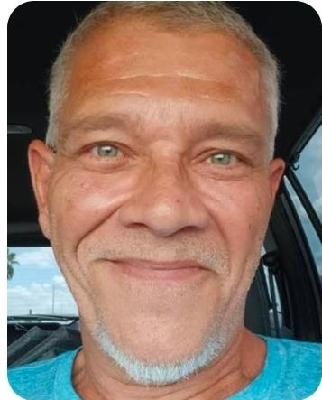
George Gonsalves, a 69-year-old male, was tragically murdered on December 3, 1997, in Bartow, Florida. He was one of four victims in a brutal execution-style killing at the Erie Manufacturing plant. The other victims included Frank Dosso, 35, Diane Patisso, 28, and George Patisso Jr., 26. This incident shocked the community and remains one of the most notorious mass murders in Polk County's history.
The primary suspect in the case was Nelson Iván Serrano, a former business partner of
George Gonsalves. Serrano, an Ecuadorian-American businessman, had been ousted from his position as president of Erie Manufacturing earlier in 1997 due to financial disputes and accusations of mismanagement. The relationship between Serrano and his partners, including Gonsalves, had become increasingly strained, leading to a bitter fallout.
On the day of the murders, Serrano allegedly traveled from Atlanta to Orlando using assumed names to book flights and secure a rental car. Investigators believe he drove to Bartow with the intent to kill Gonsalves. Upon arriving at the plant, Serrano found not only Gonsalves but also Frank Dosso and George Patisso Jr. Still at work. To eliminate any witnesses, Serrano shot all three men in the head. Diane Patisso, who arrived later to pick up her husband and brother, was also killed to prevent her from identifying the killer.
The investigation into the murders was extensive and complex. Initially, Serrano provided an alibi, claiming he was in Atlanta at the time of the killings. However, investigators, led by Special Agent Tommy Ray of the Florida Department of Law Enforcement, uncovered evidence that Serrano had secretly returned to Florida. A crucial piece of evidence was a fingerprint found on a parking garage receipt linked to Serrano's rental car, which ultimately shattered his alibi.
In October 2006, after a lengthy trial, a jury found Nelson Serrano guilty of the murders. The prosecution presented over 50 witnesses, while the defense relied solely on cross-examination. The jury deliberated for about five hours before delivering a guilty verdict. They recommended the death penalty by a 9-3 vote, and in June 2007, Judge Susan Roberts sentenced Serrano to death by lethal injection for each of the four murders.
Serrano's conviction has been controversial, with some disputing his culpability. Despite the lack of physical evidence directly linking him to the crime scene, the circumstantial evidence and the strained relationships between Serrano and his partners played a significant role in the jury's decision. Serrano maintained his innocence until his death from natural causes in 2024.