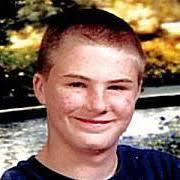
Christopher Penley, a 15-year-old boy from Longwood, Florida, died on January 13, 2006, after being shot by a SWAT team member at Milwee Middle School. The incident began when Christopher, who was white, brought an Airsoft gun to school that closely resembled a real firearm. During class, he brandished the gun, causing panic among students and staff. Christopher then fled to a restroom, where he was cornered by law enforcement officers.
The situation escalated as SWAT officers arrived on the scene and attempted to negotiate with Christopher. Despite efforts to de-escalate the situation, Christopher pointed the Airsoft gun at Lieutenant Michael Weippert, who, believing it to be a real weapon, fired at Christopher. He was critically injured and transported to Orlando Regional Medical Center, where he was placed on life support. Christopher remained on life support for two days before succumbing to his injuries on January 15, 2006.
The Florida Department of Law Enforcement conducted an investigation into the shooting and concluded that the use of force was justified, as the officers believed their lives were in imminent danger. The investigation revealed that the Airsoft gun's barrel had been painted black, making it indistinguishable from a real firearm. This critical detail contributed to the officers' perception of a lethal threat.
In the aftermath of Christopher's death, his family filed a lawsuit against the police, alleging that the shooting was unjustified and that law enforcement had acted negligently. However, a judge dismissed the lawsuit, ruling that the officers' actions were reasonable given the circumstances. The case highlighted the complexities and challenges faced by law enforcement in high-stress situations involving perceived threats.
Christopher's death had a profound impact on the community. Milwee Middle School observed a moment of silence, and grief counselors were made available to help students and staff cope with the tragedy. A memorial was established at the school, and Christopher's organs were donated, providing life-saving transplants to nine individuals. His family also dedicated a game room at the Landmark Church and opened the Adolescent Life Coaching Center in his memory, aiming to support and guide other young people.
The incident sparked discussions about the dangers of realistic-looking toy guns and the importance of clear communication during crisis situations. It also underscored the need for comprehensive training for law enforcement officers to handle such incidents with the utmost care and precision. Christopher Penley's tragic death remains a poignant reminder of the potential consequences of misunderstandings and the critical importance of effective crisis management.