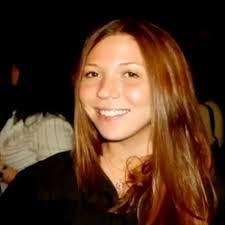
Rachel Morningstar Hoffman, a 23-year-old white female, was tragically murdered on May 7, 2008, in a botched drug sting operation orchestrated by the Tallahassee Police Department. Rachel, who had recently graduated from Florida State University and was planning to attend culinary school, was pressured into becoming a confidential informant after being caught with drugs. She was under drug court supervision for possession of cannabis and ecstasy, and faced potential prison time if convicted on additional charges. To avoid this, she agreed to participate in a sting operation aimed at purchasing a large quantity of drugs and firearms from two dealers, Deneilo Bradshaw and Andrea Green.
The operation was poorly managed from the start. Rachel was given $13,000 in cash to buy 1,500 ecstasy pills, two ounces of cocaine, and two handguns, which was against department policy. The police provided insufficient security for the operation, and when the suspects changed the location of the buy, Rachel was unable to receive the instructions not to follow them due to technical issues with the wire she was wearing. She left the original location with the suspects in their stolen BMW, and was subsequently executed with the gun she was supposed to purchase. Her body was found two days later near Perry, Florida.
The aftermath of Rachel's death led to significant legal and procedural changes. The two suspects, Deneilo Bradshaw and Andrea Green, were arrested and charged with her murder. The case highlighted severe flaws in the handling of confidential informants by law enforcement, leading to the implementation of "Rachel's Law" in Florida. This law imposed stricter requirements on law enforcement agencies regarding the use of undercover informants, aiming to prevent such tragedies in the future.
Rachel's death also sparked widespread criticism of the Tallahassee Police Department and other involved agencies. A grand jury investigation condemned the police for their mishandling of the operation, and the case became a catalyst for national discussions on the ethics and safety of using civilians as informants in dangerous operations. Rachel's family, devastated by her loss, has continued to advocate for better protections for informants and greater accountability for law enforcement agencies.