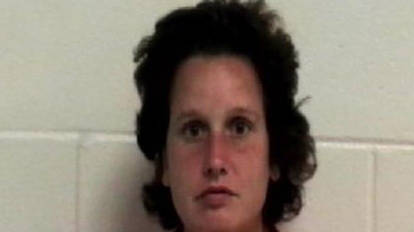
Sherry Lee Prather, a 43-year-old mother of two from Jacksonville, Florida, was last seen alive on the night of October 12, 2012. She had been dropped off at Boots N Bottles, a local biker bar, by her mother and daughter. Prather, known for her love of Harley Davidson motorcycles and her vibrant personality, never returned home that night. Her family reported her missing the following day, but initial police response was slow due to her known partying lifestyle.
It wasn't until her mother, Norma Ellis, persistently petitioned the authorities that a formal missing persons report was filed.
The investigation into Prather's disappearance took a grim turn when her remains were discovered in a wooded area off Braddock Road on November 14, 2012. Her body was in such a decomposed state that it was initially difficult to determine if the remains were human. It was later confirmed that she had been shot in the chest, and her death was officially ruled a homicide in March 2013. The discovery of her body and the subsequent autopsy revealed that she had sustained a gunshot wound to the spine, which was the cause of her death.
The case remained unsolved for four years, with investigators struggling to gather enough evidence to make an arrest. However, a breakthrough came when a second witness came forward with crucial information. This witness reported that Johnny Wayne Johnson, a regular at Boots N Bottles, had confessed to killing Prather and dumping her body in the woods. Johnson had been a suspect from the beginning, as he was seen leaving the bar with Prather on the night of her disappearance. Despite his initial denials and changing stories, the new witness testimony provided the evidence needed to arrest him.
In November 2016, Johnny Wayne Johnson was finally arrested and charged with the murder of Sherry Lee Prather. The arrest brought some closure to Prather's family, but the emotional scars remained. Norma Ellis, who continued to live in the home she shared with her daughter, expressed the ongoing pain and heartbreak of losing her. The case highlighted the challenges and complexities of solving cold cases, especially when initial investigations are hampered by biases and assumptions about the victim's lifestyle.