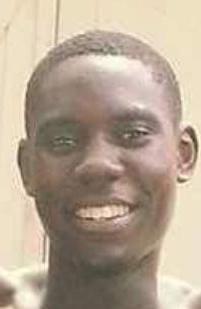
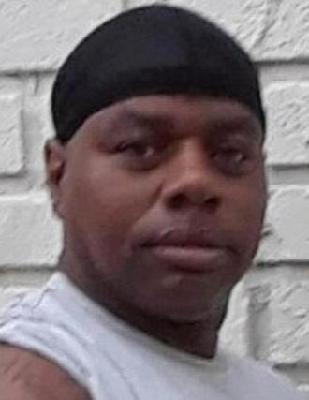
James King, aged 38, tragically passed away on June 27, 2014, in Tampa, Florida. His death was the result of a violent incident that shocked the local community. On that fateful day, James was found unresponsive in his home, having suffered multiple gunshot wounds. The circumstances surrounding his death immediately prompted a thorough investigation by the Tampa Police Department.
The investigation revealed that James King was the victim of a targeted attack.
Witnesses reported hearing gunshots in the early hours of the morning, and surveillance footage from nearby cameras captured a suspect fleeing the scene shortly after the shots were fired. The suspect was described as a male in his late twenties, wearing dark clothing and a hooded sweatshirt. Despite the clear footage, the suspect's identity remained unknown for some time, leading to a prolonged investigation.
As the investigation progressed, several suspects were brought in for questioning. Among them was a known associate of James King, who had a history of violent behavior and a criminal record. This individual was initially considered a prime suspect due to his proximity to the victim and his known conflicts with James. However, after extensive interrogation and lack of concrete evidence, he was released without charges.
The case took a significant turn when forensic evidence linked another individual to the crime scene. This new suspect, who had a history of drug-related offenses, was arrested and charged with the murder of James King. The prosecution built a strong case, presenting evidence that included DNA samples, fingerprints, and ballistic reports that matched the weapon used in the crime to the suspect. The trial was highly publicized, drawing attention to the violent crime and the efforts of law enforcement to bring justice to James King's family.
Throughout the legal proceedings, the defense argued that the evidence was circumstantial and that there was no direct link between their client and the murder. Despite these claims, the jury found the suspect guilty of first-degree murder, and he was sentenced to life in prison without the possibility of parole. The conviction brought some closure to James King's family, who had been seeking justice for their loved one.
The case of James King's murder highlighted the challenges faced by law enforcement in solving violent crimes and the importance of forensic evidence in securing convictions. It also underscored the impact of such tragedies on the victim's family and the broader community, who continue to remember James King and the life that was taken too soon.