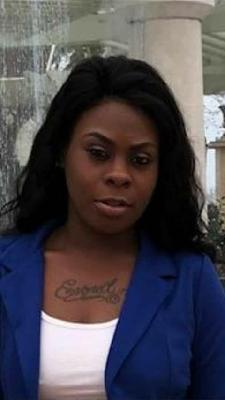
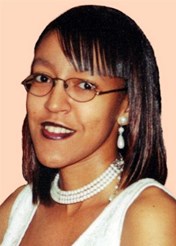
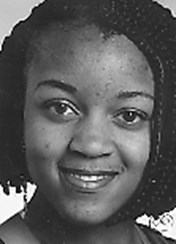
Sabrina Blackshear, a 45-year-old woman from Jacksonville, Florida, was found dead on May 20, 2015. Her body was discovered on Silver Street with a gunshot wound to the chest. The initial investigation revealed a .40 caliber shell casing and a used condom at the crime scene. These pieces of evidence were sent to the Florida Department of Law Enforcement for analysis.
Despite the immediate collection of evidence, the case remained unsolved for over two years.
In August 2017, a breakthrough occurred when DNA and cellphone records led to the arrest of Troy Allen Butler, a convicted felon. Butler had reported his car stolen in August 2015, and the vehicle was later linked to a separate murder in St. Augustine. Inside the stolen car, authorities found a firearm that matched the shell casing found at the scene of Blackshear's murder. DNA evidence from the used condom also connected Butler to the crime. When questioned, Butler admitted to meeting Blackshear for prostitution but denied killing her. However, cellphone records placed him near the crime scene on the night of the murder.
The arrest of Butler brought some closure to the case, but it also highlighted the complexities of forensic investigations. The use of DNA evidence and cellphone tracking played crucial roles in linking Butler to the crime. Despite his initial denials, the physical evidence was compelling enough to charge him with murder and possession of a firearm by a convicted felon. The case underscores the importance of meticulous evidence collection and the advancements in forensic technology that can help solve cold cases years after the crime has occurred.