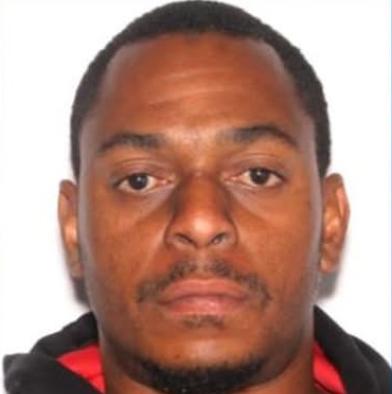
Leonard "Leo" Stay, a 17-year-old from Orlando, Florida, tragically lost his life on June 5, 2015, in a heartbreaking incident involving his older brother. On that fateful night, Leo's 32-year-old brother, Sidney Montfort, mistook him for an intruder and shot him. The incident occurred around 11:30 PM when Montfort, who was asleep with his wife, heard noises coming from the kitchen. Believing there was a burglar in the house, he grabbed his semi-automatic handgun and went to investigate.
Upon seeing a figure in the kitchen, Montfort fired his weapon, only to realize moments later that he had shot his younger brother.
Immediately after the shooting, Montfort began administering CPR while his wife called 911. Despite their efforts, Leo was pronounced dead at Florida Hospital Orlando less than an hour later. The Orange County Sheriff's Office conducted an investigation into the incident, and Montfort was not immediately arrested. The decision on whether to press charges was left to the State Attorney's Office, which would determine the appropriate course of action based on the findings of the investigation.
Leo Stay was a well-loved member of his community and a student at Ocoee High School. He was known for his leadership on the wrestling team, his participation in the school chorus, and his dedication to helping others, including feeding the homeless and mentoring younger students. His untimely death left a profound impact on those who knew him, with many describing him as a positive and uplifting presence. A memorial service was held at the Mt. Zion Tabernacle Christian Church, where friends and family gathered to honor his memory and celebrate his life.
The case of Leonard Stay's death highlights the tragic consequences of mistaken identity and the importance of gun safety. While the investigation did not result in immediate charges against Montfort, the community continued to grapple with the loss and the circumstances surrounding the incident. The State Attorney's Office's decision on whether to pursue legal action remained a critical aspect of the case, reflecting the complexities involved in such tragic events.