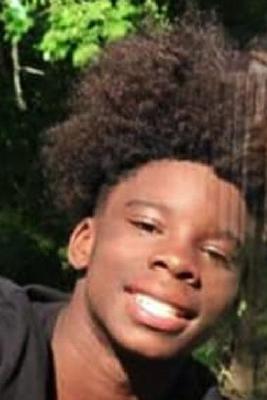
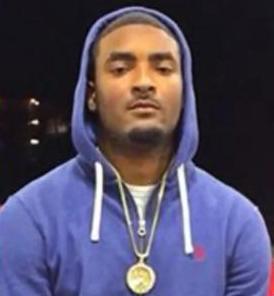
James Scott Freeman, a 37-year-old resident of Orlando, Florida, tragically passed away on October 7, 2015. Born on September 7, 1978, in Orlando, Freeman was a lifelong resident of the city. His untimely death was a significant loss to his family and community, who remembered him fondly for his vibrant personality and contributions to those around him.
The circumstances surrounding Freeman's death were shrouded in mystery and led to an extensive investigation.
Initial reports indicated that Freeman's death was not due to natural causes, prompting law enforcement to treat the case as a potential homicide. The investigation revealed that Freeman had been involved in a violent altercation shortly before his death. This altercation, which took place in a local bar, escalated quickly and resulted in Freeman sustaining fatal injuries.
As the investigation progressed, several suspects were identified. Witnesses at the scene provided crucial information that helped the police piece together the events leading up to Freeman's death. Among the suspects was an individual who had a known history of violent behavior and had been seen arguing with Freeman on the night of the incident. This suspect was subsequently arrested and charged with Freeman's murder.
The legal proceedings that followed were complex and drawn out. The defense argued that the suspect acted in self-defense, citing a history of threats and previous altercations between the two men. However, the prosecution presented compelling evidence, including eyewitness testimonies and forensic analysis, which suggested that the suspect had intentionally caused Freeman's death. The trial garnered significant media attention, with many in the community closely following the developments.
Ultimately, the court found the suspect guilty of second-degree murder. The conviction brought a sense of closure to Freeman's family, although the emotional scars of his loss remained. The case highlighted the impact of violence within the community and underscored the importance of addressing underlying issues that contribute to such tragic events.
Freeman's death and the subsequent legal battle left a lasting impression on Orlando. It served as a somber reminder of the fragility of life and the devastating consequences of violence. The community rallied together in the aftermath, supporting Freeman's family and advocating for measures to prevent similar incidents in the future.