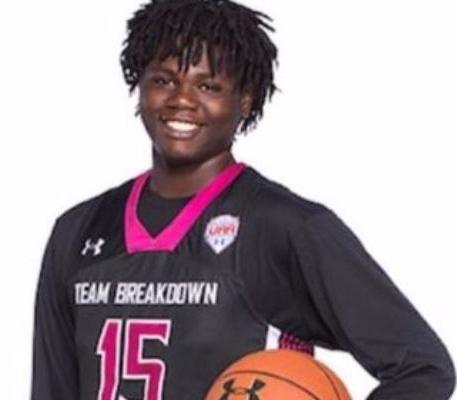
Jayquon Johnson, a 17-year-old high school basketball player from Brandon High School, was tragically killed on January 1, 2017, in Valrico, Florida. The incident occurred in the afternoon on Cabbage Palm Drive, where Johnson was shot during a confrontation. He was transported to a local hospital but succumbed to his injuries later that day. The Hillsborough County Sheriff's Office immediately launched an investigation into the shooting, which remained active for several months as detectives conducted interviews and examined forensic evidence.
The investigation revealed that the shooting was related to a drug deal gone wrong. Johnson had gone to the home of a 16-year-old boy for the transaction. During the encounter, an argument ensued, and both teenagers drew firearms. Johnson was fatally shot in the ensuing altercation. The shooter, whose name was not initially released due to his age, claimed self-defense. This claim complicated the investigation, as Florida's "stand your ground" laws required the prosecution to disprove the self-defense claim beyond a reasonable doubt.
Further complicating the case was the involvement of the shooter's mother, Heidi Quinn. After the shooting, Quinn discovered her son standing over Johnson's body. In a panic, she buried the firearms used in the incident in her backyard before calling the authorities. This act of tampering with evidence led to her arrest and subsequent conviction. Quinn was found guilty of tampering with physical evidence and faced legal consequences for her actions.
The 16-year-old shooter was not charged with murder due to insufficient evidence to counter his self-defense claim. However, he faced charges related to the unlawful possession of a firearm and other weapons charges. He was eventually sentenced as a youthful offender, receiving a combination of community control, probation, and community service. The case highlighted the complexities of Florida's self-defense laws and sparked discussions about potential reforms.
Jayquon Johnson's family, devastated by the loss, called for justice and changes to the "stand your ground" laws. They argued that the burden of proof should not rest solely on the prosecution and sought to raise awareness about the implications of these laws. The case remains a poignant example of the challenges faced in prosecuting self-defense claims and the impact of gun violence on communities.