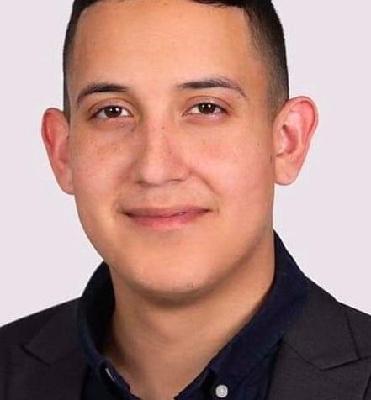
Nicholas Anthony Corvino, a 30-year-old resident of Kissimmee, Florida, was tragically found dead on October 10, 2017. Corvino, who had been a GOP staffer and worked on President Trump's 2016 campaign, was discovered in his apartment, having been shot 13 times while he slept. The shocking nature of his death led to an immediate investigation by local authorities.
The primary suspect in Corvino's murder was his roommate, Scott Douglas Waddell, who was 45 years old at the time.
Waddell was arrested and charged with first-degree murder shortly after the incident. According to the arrest affidavit, Waddell claimed he did not remember the events leading up to the shooting, repeatedly stating that he was fine but could not recall what had happened. Waddell and Corvino had been best friends for about a decade and had lived together for two years. Waddell also disclosed that he had been mentally disabled for approximately 15 years and was on various medications for his mental health.
During the trial, Waddell pleaded no contest to a charge of second-degree murder with a firearm. He expressed remorse for his actions, stating that he did not intend for the incident to occur and did not understand what caused it. The court proceedings revealed that Corvino's family, particularly his aunt who had raised him after his parents' deaths, were deeply affected by the loss. They had hoped for a harsher sentence, but ultimately, Waddell was sentenced to 30 years in prison. The prosecution had initially sought a sentence of 25 years to life, with a cap of 40 years as per the plea agreement.
The case highlighted the complexities of mental health issues in criminal proceedings, as Waddell's mother testified about his long-standing mental health struggles. Despite the tragic outcome, the court's decision aimed to balance justice for Corvino's family with the recognition of Waddell's mental health challenges. The case remains a poignant reminder of the devastating impact of violence and the importance of addressing mental health issues within the criminal justice system.