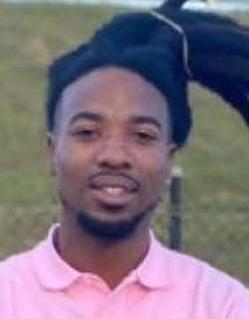
Cheyenne Snyder, a 29-year-old mother of two originally from Ohio, was tragically found dead on April 29, 2018, in St. Petersburg, Florida. Her body was discovered in a plastic storage tote in a shed behind a house on 16th Avenue South. Snyder had moved to Florida nearly a decade earlier, struggling with bipolar disorder and addiction issues. Despite her challenges, she was remembered by her family as a loving individual who enjoyed playing volleyball and spending time with friends.
The investigation into Snyder's death revealed that she had been shot and killed by Angelo Dante Beckford, a 40-year-old man who had recently been released from prison. Beckford and Snyder had only known each other for about a week before the incident. According to police reports, Beckford admitted to shooting Snyder during an argument over a mess she had made in his home, which had belonged to his late mother. Beckford was arrested and charged with second-degree murder, aggravated assault, possession of crack cocaine, possession of drug paraphernalia, and violation of parole.
The case garnered significant attention due to the gruesome nature of the crime and the circumstances surrounding Snyder's life and death. Her father, Scott Snyder, expressed his grief and frustration over the loss of his daughter, highlighting her struggles with mental health and addiction. He also voiced his hope that Beckford would face the maximum penalty for his actions. The legal proceedings against Beckford included charges of second-degree murder, and there were calls from Snyder's family for the charges to be upgraded to first-degree murder to allow for the possibility of the death penalty.
Throughout the investigation, the St. Petersburg Police Department worked diligently to piece together the events leading up to Snyder's death. They received a tip from residents who reported that Beckford had been showing off Snyder's body to neighbors. This led to a swift response from law enforcement, including a SWAT team, which ultimately resulted in Beckford's arrest. The case remains a poignant reminder of the impact of mental health and addiction issues, as well as the devastating consequences of violence.