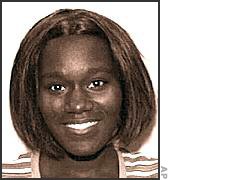
Cathalina Christina James, a 24-year-old transgender woman from Bishopville, South Carolina, was tragically shot to death on June 24, 2018, at a hotel in Jacksonville, Florida. Her death marked the third homicide of a transgender woman in Jacksonville within a span of three months, raising significant concerns within the local and national LGBTQ+ communities. Cathalina was known for her outgoing and bold personality, and her family remembered her as someone who always managed to steal the show.
Her father, Donald James, described her as someone who loved people and sought acceptance for everyone, regardless of their identity.
The circumstances surrounding Cathalina's death were particularly alarming to the transgender community in Jacksonville. Local advocates and organizations expressed fears that her murder, along with the other recent homicides, might be part of a pattern of targeted violence against transgender women. This concern was echoed by Equality Florida, an LGBTQ+ rights group, which called on local authorities to thoroughly investigate what many feared could be the actions of a serial killer. The Jacksonville Sheriff's Office faced criticism for repeatedly misgendering the victims, which advocates argued disrespected their memory and hindered the investigations.
Despite the heightened awareness and calls for justice, the investigation into Cathalina's murder has not led to any arrests or identified suspects. Her family has been vocal about their desire for closure and justice, holding vigils and memorials in her honor. They have expressed the emotional toll of sleepless nights and the ongoing pain of not knowing who was responsible for her death. The lack of progress in the case has left them and the community seeking answers and accountability.
Cathalina's death, along with the other transgender homicides in Jacksonville that year, highlighted the broader issue of violence against transgender individuals. It underscored the need for better protection and respect for transgender people, both in life and in death. The community's response included rallies and public statements demanding action and change, aiming to ensure that such tragedies do not continue to occur without consequence.