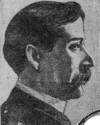
Eugene C. Robinson, a 36-year-old patrolman with the San Francisco Police Department, met a tragic end on January 21, 1902. On that fateful day, Robinson was on duty when he encountered three burglars attempting to break into a hardware store on Valencia Street, near Sixteenth. As he approached the scene and ordered the men to surrender, they opened fire, striking him in the abdomen three times. Despite his severe injuries, Robinson managed to return fire, wounding one of the burglars. He was quickly transported to the hospital but succumbed to his injuries shortly after arrival.
The aftermath of Robinson's death saw a swift and determined response from law enforcement. One of the burglars, identified as F. Daly, was apprehended at the scene, having been wounded by Robinson's gunfire. Daly, however, refused to divulge the identities of his accomplices, who managed to escape the immediate vicinity. A posse of policemen was dispatched to track down the remaining suspects, but they initially evaded capture.
The investigation into Robinson's murder continued, and over time, six suspects were eventually taken into custody. The legal proceedings that followed were extensive. One of the suspects was convicted of first-degree murder and sentenced to death, with the execution taking place at San Quentin State Prison on October 6, 1905. Another suspect received a 25-year prison sentence but was killed by another inmate in 1912. The case also revealed that one of the arrested individuals was wanted for being an accessory after the fact in the murder of Police Officer Nicholas Hunt of the St. Louis Metropolitan Police Department in 1897.
Robinson's death was a significant event for the San Francisco Police Department, highlighting the dangers faced by officers in the line of duty. His bravery and dedication were commemorated, and his photograph was displayed at the San Francisco Police Headquarters until it was lost in the 1906 earthquake. Robinson's sacrifice is remembered as a testament to the risks law enforcement officers take to protect their communities.