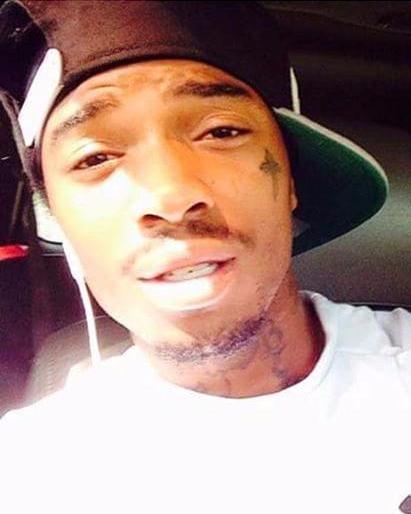
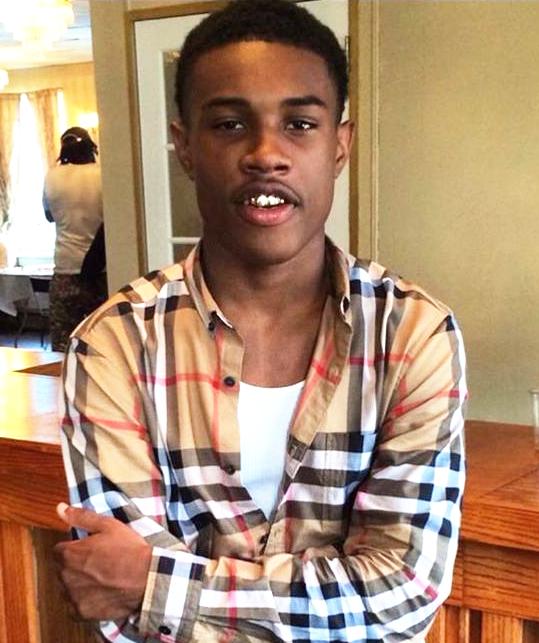
In the summer of 2016, a wave of violence continued to cast a dark shadow over the city of Baltimore. On July 16th, a 24-year-old African-American man named Jamal Eaton became another victim claimed by the city's streets. In the 1400 block of Retreat Street, the sharp crack of gunfire echoed, and when the chaos subsided, Eaton was left fatally wounded.
His death was one of several homicides that week, a grim testament to a particularly deadly year for the city.
The circumstances surrounding Jamal Eaton's shooting were not immediately clear, a common narrative in a city struggling with a high volume of violent crime. Baltimore Police were called to the scene and launched a homicide investigation, but as was often the case, the inquiry was hampered by a lack of forthcoming information. Investigators faced the persistent challenge of finding witnesses willing to come forward, a barrier that frequently stalled efforts to bring perpetrators to justice. Eaton's death was part of a staggering statistic, one of 318 homicides recorded in Baltimore that year, a figure that underscored the immense pressure on law enforcement to solve these cases and curb the escalating violence.
Despite the ongoing investigation into his murder, publicly available information has not revealed any significant breakthroughs in the case of Jamal Eaton. There have been no announcements of arrests made or suspects identified in connection with his shooting. Consequently, there is no public record of any charges being filed or any subsequent trials or convictions. His case, like many others from that period, remains a painful and unresolved chapter in the city's history of violence, leaving a family to grieve and a community to continue its search for answers and peace.