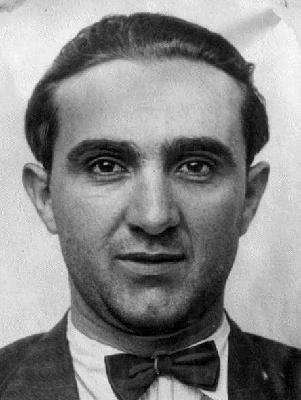
Dominic Di Ciolla, also known as Dominick De Soto, was a prominent figure in the Los Angeles underworld during the Prohibition era. He was one of the earliest leaders of what became known as the Los Angeles crime family. Di Ciolla was deeply involved in bootlegging, arson, extortion, and was allegedly responsible for several murders. His criminal activities and ambitions to expand his operations often put him at odds with other crime bosses in the area.
On March 19, 1931, Dominic Di
Ciolla's body was discovered near Pacoima, Los Angeles, with a .32 caliber bullet wound to his head. The circumstances surrounding his death suggested that he had been 'put on the spot' as a result of ongoing warfare among bootleggers. His murder was believed to be a consequence of his attempts to challenge and expand his influence over the bootlegging trade in Los Angeles. At the time of his death, newspapers referred to him as a 'bootleg king' and a 'boss of the Italian underworld.'
Di Ciolla's murder was part of a broader pattern of violence and retribution among rival bootlegging factions. He had previously been associated with the Genna brothers' bootlegging group in Chicago, which had ties to notorious figures like Johnny Torrio and Al Capone. After the Genna brothers' gang disbanded following a series of violent confrontations, Di Ciolla relocated to Los Angeles, where he continued his criminal enterprises.
Despite his significant role in the Los Angeles underworld, the investigation into Di Ciolla's murder did not lead to any arrests or convictions. The case remained unsolved, with speculation that his death was orchestrated by rival crime bosses who saw him as a threat to their own operations. Some sources suggested that Di Ciolla had served as a lieutenant to early Los Angeles crime boss Rosario DeSimone and that his murder might have been ordered by DeSimone himself. However, the criminal timeline and lack of concrete evidence made it difficult to substantiate these claims.
In the aftermath of Di Ciolla's death, the Los Angeles crime landscape continued to be marked by power struggles and violent confrontations among various factions. His murder highlighted the volatile nature of the bootlegging era and the ruthless tactics employed by those seeking to dominate the illicit liquor trade. Despite the passage of time, the mystery surrounding Dominic Di Ciolla's death remains a testament to the dangerous and often deadly world of organized crime in early 20th century Los Angeles.