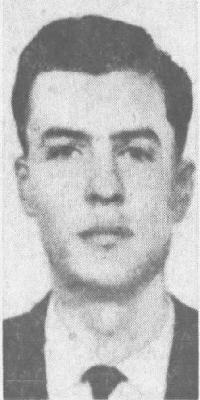
Charles Christopher Hogan, aged 21, tragically lost his life on April 25, 1965, in a mass shooting incident near Orcutt, California. The event, known as the Highway 101 sniper attack, was perpetrated by 16-year-old Michael Andrew Clark. Early that Sunday morning, Clark positioned himself on a hill overlooking U.S. Highway 101 and began firing at passing vehicles with a Swedish Mauser military rifle.
The attack resulted in the deaths of three individuals, including Hogan, and injuries to ten others.
The sniper attack unfolded after Clark left his home in Long Beach, California, the previous night, taking his parents' car and a rifle from his father's locked gun safe. As dawn broke, Clark began his assault on the unsuspecting motorists. Hogan, along with Joel W. Kocab and five-year-old Kevin Dean Reida, were among the fatalities. The shooting spree continued for hours until law enforcement officers closed in on Clark, who ultimately committed suicide as they approached.
In the aftermath of the attack, a lawsuit was filed by the victims' families, including the Reida family, against Clark's parents. The lawsuit alleged negligence on the part of Forest and Joyce Clark for failing to properly secure the firearm and supervise their son. The court ruled in favor of the Clarks, although it acknowledged negligence on Forest Clark's part for not adequately securing the weapons.
The Highway 101 sniper attack remains a significant and tragic event in the history of mass shootings in the United States. It highlighted the devastating impact of such violence and the importance of responsible firearm ownership and supervision. The incident also underscored the challenges faced by law enforcement in responding to and preventing such random acts of violence.