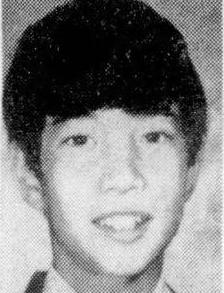
Derrick Richard Ohta, a 12-year-old boy from Soquel, California, tragically lost his life on October 19, 1970, in what became known as the Ohta family murders. Derrick, along with his family members, was found dead in the swimming pool of their home. The victims included Derrick's father, Dr. Victor Ohta, a prominent eye surgeon; his mother, Virginia Ohta; his younger brother, Taggart; and the family's secretary, Dorothy Cadwallader. All the victims had been shot, and their bodies were bound with silk scarves and ties. The house was set on fire, presumably to attract attention to the crime scene.
The investigation into the murders revealed that the crime was not motivated by robbery, as valuable items were left untouched. Instead, it appeared to be an execution-style killing. A typewritten note was found on Dr. Ohta's car, indicating that the murders were carried out by individuals who claimed to be protecting the environment. The note, signed with tarot card names, suggested a connection to a cult-like ideology.
The breakthrough in the case came when police arrested John Linley Frazier, a local man with a history of mental illness. Frazier, who had been living in a makeshift cabin in the woods, was known for his anti-establishment views and had previously expressed disdain for those he perceived as harming the environment. He was charged with the murders and later convicted. Frazier's trial garnered significant media attention, and he was sentenced to death, although his sentence was later commuted to life imprisonment. Frazier ultimately took his own life in prison in 2009.
The Ohta family murders left a lasting impact on the community of Soquel and the surrounding areas. The brutal nature of the crime and the involvement of a seemingly deranged individual highlighted the vulnerabilities of even the most seemingly secure families. The case remains a somber reminder of the potential for violence in unexpected places and the importance of mental health awareness and intervention.