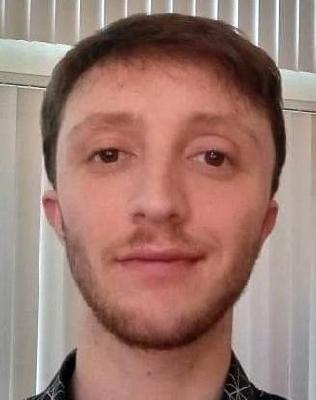
Mark Dreibelbis, a 15-year-old boy from Felton, California, tragically lost his life on February 10, 1973. His death was part of a horrific series of murders committed by Herbert Mullin, a notorious serial killer active in the early 1970s. Mullin, who suffered from severe mental illness, believed that his killings were necessary to prevent catastrophic earthquakes.
On the day of the murder, Mullin encountered Mark and three other teenage boys—Robert Michael Spector, David Allan Oliker, and Brian Scott Card—while they were camping in Henry Cowell Redwoods State Park. Mullin, posing as a park ranger, initially ordered the boys to leave, claiming they were polluting the forest. When they refused, he returned the next day and shot them all to death. Their bodies were discovered a week later, on February 17, 1973.
Herbert Mullin was arrested shortly after the murders and confessed to killing 13 people in total, including Mark Dreibelbis. Mullin's killing spree spanned from October 1972 to February 1973, during which he targeted a diverse group of victims, including a priest, a coed, a mother and her two children, and several others. His actions were driven by his delusional belief that these murders were sacrifices to prevent earthquakes. Mullin's mental state was a significant factor in his crimes; he had been diagnosed with paranoid schizophrenia, exacerbated by his use of LSD and cannabis.
The legal proceedings following Mullin's arrest were complex, focusing heavily on his mental health. In 1973, he was convicted of two counts of first-degree murder and nine counts of second-degree murder. Despite his mental illness, the court found him legally sane at the time of the killings, leading to his life imprisonment. Mullin was denied parole multiple times, with the parole board consistently citing his lack of remorse and continued danger to society. He remained incarcerated until his death from natural causes in 2022 at the age of 75.
The case of Mark Dreibelbis and the other victims of Herbert Mullin remains a chilling reminder of the impact of untreated mental illness and the devastating consequences it can have. The murders also highlighted the need for better mental health care and the importance of addressing the root causes of such violent behavior. Mullin's actions left a lasting scar on the community, and the memory of the victims continues to be honored by those who remember them.