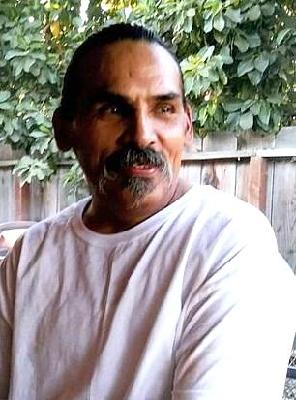
Craig Raymond Miller, aged 22, tragically lost his life on November 1, 1980, in Bass Lake, California. His death was part of a notorious case that became widely known as the 'Sweetheart Murders.' Craig and his fiancée, Mary Sowers, were brutally murdered by Gerald Armond Gallego, Sr., infamously dubbed 'The Sex Slave Killer.' The couple was abducted and subsequently killed, with Craig being shot three times in the head. Their bodies were discovered in El Dorado County, California, marking a grim end to their young lives.
The investigation into their murders revealed a horrifying pattern of violence perpetrated by Gallego, who, along with his accomplice Charlene Gallego, had been responsible for a series of abductions and murders. The Gallegos targeted young couples, often abducting them with the intent of using them as sex slaves before ultimately killing them. This case, along with others, highlighted the brutal and calculated nature of their crimes, which spanned several years and multiple states.
Gerald Gallego was eventually apprehended and faced trial for his heinous acts. The legal proceedings were extensive, involving multiple charges of murder and abduction. Gallego was convicted and sentenced to death, a sentence that underscored the severity of his crimes. His accomplice, Charlene Gallego, testified against him in exchange for a reduced sentence, shedding light on the full extent of their criminal activities. The trials and subsequent convictions brought some measure of justice to the families of the victims, though the emotional scars of such a traumatic event remained.
The case of Craig Raymond Miller and Mary Sowers remains a poignant reminder of the dangers posed by such violent individuals. It also underscores the importance of thorough investigative work and the pursuit of justice for victims of violent crimes. The legacy of this case continues to be felt, serving as a somber chapter in the history of criminal justice in the United States.