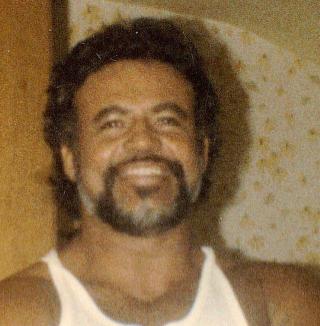
Ira Gabor Essoe Sr., a retired sergeant from the Orange County Sheriff's Department, succumbed to complications from gunshot wounds on February 4, 2010. The incident that led to his injuries occurred on November 6, 1980, when he and his partner, both in plainclothes, went to the Mall of Orange to collect bail on a warrant. Upon arrival, they observed three men breaking into a car in the mall's parking lot.
As Sergeant Essoe approached one side of the car and his partner the other, one of the suspects disarmed Essoe's partner at gunpoint and ordered him to the ground. Sergeant Essoe drew his revolver and engaged the suspect, while the other two men fled. During the shootout, one of the fleeing men returned and shot Sergeant Essoe from behind, leaving him paralyzed from the chest down.
Following the shooting, Sergeant Essoe faced numerous life-threatening medical issues directly linked to his injuries. Despite his condition, he continued to contribute to the department, prompting the establishment of "Project 999," which supports wounded officers and the families of those killed in the line of duty. The coroner ruled his death a homicide due to "delayed complications from remote gunshot wounds."
The three suspects involved in the shooting were apprehended and sentenced to prison terms ranging from eight to 18 years for the original shooting and attempted murder. However, in 2010, the Orange County District Attorney charged the men with murder following Sergeant Essoe's death. The California Court of Appeals later ruled that, based on the laws governing the crime in 1980, the suspects could not be charged with murder. Consequently, they were released from custody after serving only one year for the murder charge. This ruling highlighted the complexities and limitations of retroactive legal applications, leaving the suspects free despite the fatal outcome of their actions.
Sergeant Essoe's legacy is marked by his dedication to law enforcement and the community, as well as the ongoing support for officers and their families through initiatives inspired by his service and sacrifice. His story underscores the enduring impact of violence on law enforcement officers and the challenges in seeking justice for crimes committed decades earlier.