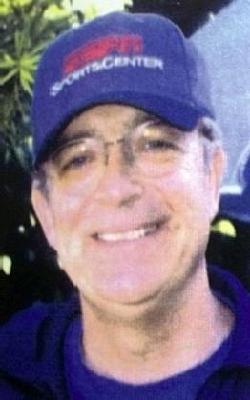
Horace Joseph “Big Mac” McKenna, a 46-year-old man whose life charted a course from law enforcement to the lucrative but dangerous world of adult entertainment, was a study in contradictions. A former California Highway Patrol motorcycle officer, the 6-foot-6, 300-pound bodybuilder was known for his flamboyant and intimidating presence. His son, Michael, remembered him as a man who "liked to joke around a lot," a nice person who was living his dream on a sprawling 40-acre Brea estate known as Tara Ranch. This remote property housed a menagerie of exotic animals, including a tiger, a leopard, monkeys, and an alligator. Yet, McKenna also had a criminal record that included convictions for counterfeiting and assault, and at the time of his death, he and a business partner were under investigation for tax fraud related to their ownership of several Southern California strip clubs, such as Bare Elegance and the New Jet Strip.
The violent end to McKenna’s colorful life came shortly after midnight on March 9, 1989. As he arrived at the gated entrance to his Carbon Canyon Road home, asleep in the back of his chauffeured limousine, an assailant ambushed the vehicle. While his driver, Bob Berg, was out of the car to open the gate, a gunman armed with a machine gun unleashed a torrent of bullets into the back of the limo, killing McKenna instantly. The shooter fired at least 20 rounds, riddling the car and its passenger before vanishing into the night. Berg was unharmed and drove the limousine the remaining distance to the house to report the attack. The brazen, gangland-style execution shocked the community and launched one of Orange County's most sensational and perplexing murder cases.
For more than a decade, the investigation into Horace McKenna's murder languished, becoming a cold case for the Orange County Sheriff's Department. Investigators knew McKenna’s business dealings and criminal history provided a long list of potential enemies. Suspicion initially fell on his former CHP partner and current business associate, Michael Woods, but there was no evidence to connect him to the crime. The case remained at a standstill for years, a mystery whispered about in the strip clubs McKenna and Woods once controlled. The break investigators needed finally came in early 2000, when the hitman himself, a club manager named John Patrick Sheridan, came forward, his conscience weighed down by guilt.
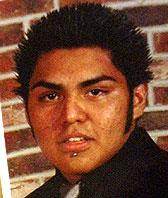
Sheridan confessed to Orange County district attorney’s investigators that he was the man who had pulled the trigger, paid $25,000 to carry out the hit. He explained that he had been hired by David “English Dave” Amos, who served as Michael Woods' bodyguard. The motive was simple: Woods, who reportedly chafed under McKenna's domineering personality, wanted sole control of their profitable strip club empire. Eager to bring the masterminds to justice, investigators with the organized crime unit enlisted Sheridan’s help. For nearly a year, he worked as an informant, secretly recording conversations with Amos and Woods that would ultimately incriminate them. In October 2000, all three men were arrested.
The subsequent legal proceedings brought the long-unsolved case to a close. To avoid a potential life sentence, David Amos agreed to testify against Woods. In September 2001, following a trial that featured testimony from his two co-conspirators, an Orange County jury convicted Michael Woods of first-degree murder for orchestrating the assassination of his former partner. His son, Michael McKenna, who was present for the verdict, expressed his relief, stating, "My dad can now rest and I can now rest."
In February 2002, Michael Woods, then 59, was sentenced to 25 years to life in prison. For their cooperation with the prosecution, John Patrick Sheridan and David Amos both pleaded guilty to voluntary manslaughter and each received 20-year prison sentences. The case, which had once seemed destined to remain an unsolved piece of Orange County lore, was finally closed, a testament to the persistence of investigators who revisited the cold trail more than a decade after the crime. As of February 2002, the legal chapter of Horace McKenna's murder was concluded, with all three men responsible for his death held accountable.