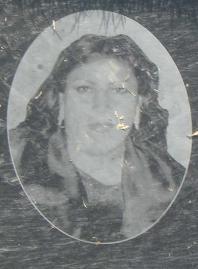
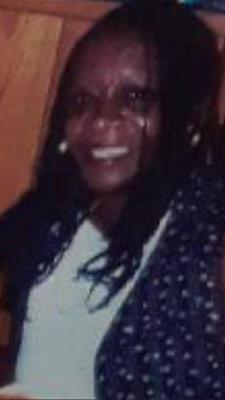
Dietra Louise Alexander, aged 24, tragically lost her life on August 31, 1984, in a brutal incident that also claimed the lives of her mother, Ebora Alexander, and her two nephews, Damon Bonner and Damani Gardner-Alexander. The family was attacked in their home in Watts, Los Angeles, in what was later revealed to be a case of mistaken identity. The perpetrators, Tiequon Cox and his accomplices, were members of the Rolling 60s Crips gang.
They had intended to target a rival gang member but mistakenly entered the Alexander household.
The investigation into the murders quickly identified Tiequon Cox as a prime suspect. Cox, along with his accomplices, forced their way into the Alexander home and executed the family members in a horrific manner. The motive behind the attack was linked to gang rivalry, but the tragic error led to the deaths of innocent individuals. The case garnered significant media attention, partly due to the fact that Dietra's brother, Kermit Alexander, was a former NFL player.
Following the investigation, Tiequon Cox was arrested and charged with multiple counts of first-degree murder. The trial revealed the gruesome details of the crime, and Cox was ultimately convicted and sentenced to death. His accomplices also faced severe legal consequences, with one receiving a life sentence without the possibility of parole. The case highlighted the pervasive issue of gang violence in Los Angeles during the 1980s and the devastating impact it had on families and communities.
The legal proceedings surrounding the case were extensive, with appeals and motions filed over the years. Cox's death sentence was upheld, and he remains on death row. The Alexander family murders remain a poignant reminder of the senseless violence that can arise from gang conflicts and the tragic consequences of mistaken identity. The case also underscored the need for continued efforts to address gang violence and support affected communities.