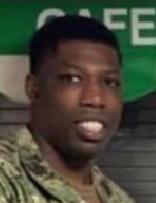
Kenyon Cypress, a 33-year-old Black man, was killed in a shooting in East Baltimore in mid-September 2016. Police were called to Kirk Avenue near Homewood Avenue, where they found him suffering from multiple gunshot wounds. Medics arrived, but he was pronounced dead at the scene, turning a stretch of residential street into an overnight crime scene marked by flashing lights, cordoned tape, and neighbors waking up to the realization that someone’s life had ended just steps away.
In the hours that followed, investigators worked the scene and began piecing together what led to the gunfire. Baltimore police later identified the victim as Kenyon Cypress, and described the case as a homicide that occurred in the 2100 block of Kirk Avenue. They also noted he was from the 4300 block of Eldone Road, tying the violence on Kirk Avenue back to a home address elsewhere in the city—another reminder of how quickly ordinary routines can be interrupted, and how far the ripple effects of a single burst of shots can travel through family, friends, and community.
Public updates at the time did not name any suspect, describe a motive, or announce an arrest connected to Cypress’s killing. Instead, the official messaging leaned on the familiar plea: detectives asked anyone with information to come forward, emphasizing anonymous reporting through Metro Crime Stoppers. In cases like this, where the answers may be locked inside someone’s memory—or someone’s silence—the investigation can hinge on a single detail: a face seen in passing, an argument overheard, a car idling at the wrong moment, or a rumor that finally reaches the right ears.