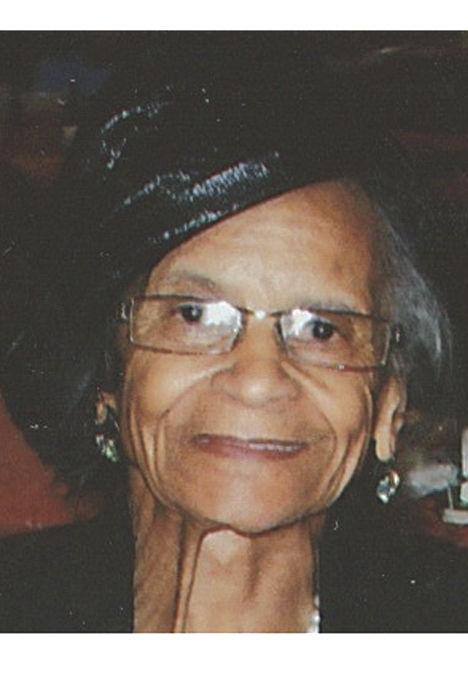
Henrietta Wright, a 34-year-old woman from Los Angeles, was found dead on August 12, 1986. Her body was discovered in an alley near the 2500 block of West Vernon Avenue in Hyde Park, Los Angeles. Wright had been shot multiple times, and her body was concealed under a discarded mattress. At the time of her death, the Los Angeles Police Department had no suspects, and it was believed that she might have been killed elsewhere before being dumped in the alley.
Wright's murder was later connected to a series of killings attributed to a serial killer known as the "Grim Sleeper." This connection was made years after her death when DNA evidence linked her case to other murders committed by the same individual. The Grim Sleeper, later identified as Lonnie David Franklin Jr., was responsible for the deaths of at least ten women and one teenage girl between 1985 and 2007. Franklin was arrested on July 7, 2010, after DNA matches linked him to several of the murders, including that of Henrietta Wright.
Franklin, a former city trash collector and vehicle mechanic for the LAPD, was charged with ten counts of murder and one count of attempted murder. He was eligible for the death penalty, and his trial drew significant media attention. During the trial, it was revealed that Franklin had a pattern of targeting vulnerable women, often luring them with the promise of drugs before killing them. The case highlighted systemic issues within law enforcement, as many of the victims were poor black women whose disappearances and deaths did not receive adequate attention from authorities.
The Grim Sleeper case also brought to light the efforts of community activists who had been advocating for justice for the victims for years. The Black Coalition Fighting Back Serial Murders, a group formed around the case, played a crucial role in keeping the victims' names in the public eye and pushing for accountability from law enforcement. The case underscored the importance of community advocacy in seeking justice for marginalized victims and holding authorities accountable for their actions and inactions.