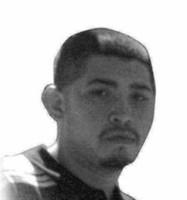
Thomas Sylvester Steele, a 36-year-old man from Los Angeles, California, was found dead on August 14, 1986, at the intersection of 71st Street and Halldale Avenue in Harvard Park. His death was initially shrouded in mystery, with authorities unable to determine the exact cause. However, it was later believed that Steele was one of the victims of the notorious serial killer known as the "Grim Sleeper."
The Grim Sleeper, identified as Lonnie David Franklin Jr., was a serial killer who
terrorized South Los Angeles from 1985 to 2007. Franklin was arrested on July 7, 2010, after DNA evidence linked him to multiple murders. Despite the strong belief that Steele was one of Franklin's victims, Franklin was not charged with Steele's murder. The connection was made based on the pattern of the killings and the location where Steele's body was found, which matched the modus operandi of the Grim Sleeper.
Franklin's arrest and subsequent trial were significant events in the investigation of the Grim Sleeper murders. He was charged with ten counts of murder and one count of attempted murder, with the victims being predominantly women. The prosecution argued that Franklin had a distinct pattern of targeting vulnerable individuals, often those involved in prostitution or struggling with drug addiction. Although Steele was the only male victim linked to the Grim Sleeper, his death was considered part of the broader series of killings.
The trial of Lonnie David Franklin Jr. began in February 2016, and he was found guilty on May 5, 2016. The jury recommended the death penalty, and on August 10, 2016, Franklin was sentenced to death for his crimes. Despite the conviction, the case of Thomas Sylvester Steele remains a poignant reminder of the many lives affected by Franklin's actions. The investigation into Steele's death highlighted the challenges faced by law enforcement in connecting seemingly isolated incidents to a single perpetrator, especially in an era before advanced forensic techniques were widely available.
Steele's death, along with the other victims of the Grim Sleeper, underscores the importance of persistent investigative efforts and the advancements in forensic science that eventually brought Franklin to justice. While Franklin's conviction provided some closure, the full extent of his crimes and the impact on the victims' families continue to resonate in the community.