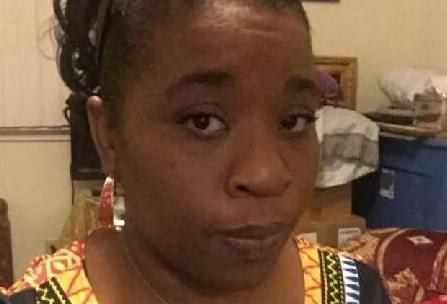
Alicia Duenas Perez was tragically killed on May 16, 1993, in what became known as one of the worst mass murders in Fresno County history. The incident occurred at Carrillo's Club, a bar in southeast Fresno, where two men entered just after closing time and opened fire. Among the seven victims were the bar owner Reyes Carrillo, his mother Rachel, his half-brother Alfredo, cook Marciano Perez and his wife Alicia Duenas Perez, customer Mary Ruiz, and bouncer Rudy Sanchez.
This brutal attack left the community in shock and mourning.
The primary suspect in this horrific crime was Johnnie Malarkey, who was later arrested and confessed to the murders. Malarkey, who had a history of violent crimes, admitted to the shooting spree at Carrillo's Club as part of a plea deal to avoid the death penalty. He was sentenced to eight consecutive life terms without the possibility of parole, along with additional sentences for other crimes committed in 1993. Malarkey's accomplice, Allen Heflin, who was believed to be the second gunman, committed suicide in October of the same year.
The investigation into the murders at Carrillo's Club was extensive, involving multiple law enforcement agencies. The plea deal with Malarkey was seen as a way to bring some closure to the victims' families and avoid the lengthy and costly process of a trial. Despite his confession, Malarkey's lawyer claimed that his client showed remorse for his actions, although this did little to alleviate the pain and suffering of those affected by the tragedy.
In addition to the Carrillo's Club massacre, Malarkey was also linked to other murders in 1993, including the killing of Charles Ray Martin, whose burned body was found in the back of his torched pickup, and tax examiner Lee Grant, who was shot while riding his bicycle. These additional crimes further highlighted the dangerous and violent nature of Malarkey's actions during that period.
The case of Alicia Duenas Perez and the other victims of the Carrillo's Club shooting remains a somber reminder of the impact of violent crime on communities. The legal proceedings and eventual sentencing of Johnnie Malarkey brought some measure of justice, but the loss and trauma experienced by the victims' families continue to resonate to this day.