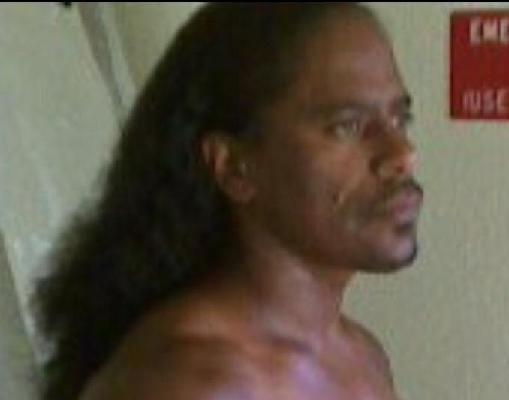
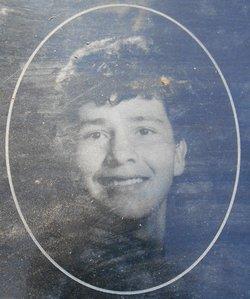
Marty Wakefield, aged 57, tragically lost his life on July 19, 1995, in Los Angeles, California, during a violent incident at his workplace. Wakefield was one of four victims in a shooting spree carried out by Willie Woods, a disgruntled city electrician. The incident occurred at the C. Edwin Piper Technical Center, a facility housing various city services, including the police crime lab and other technical departments.
Woods, who had been facing disciplinary actions and negative performance evaluations, targeted his supervisors in a calculated attack. On the morning of the incident, Woods arrived at work and, following a brief argument with one of his supervisors, retrieved a Glock 9mm handgun and began his rampage.
The shooting began in the basement of the building, where Woods first shot Neil Carpenter and James Walton. He then moved to the ground floor, where he encountered and shot Marty Wakefield and Anthony Gain. Witnesses described the scene as chaotic, with employees fleeing in terror as Woods methodically sought out his victims. The attack ended when two police officers, who were at the facility on an unrelated matter, confronted Woods and persuaded him to surrender. Woods was arrested at the scene and later charged with multiple counts of murder.
The legal proceedings following the incident were extensive. Willie Woods was tried and convicted of the murders, receiving a life sentence without the possibility of parole. The case drew significant media attention, partly due to the high-profile nature of the crime and its location in a building associated with the O.J. Simpson case. The trial included testimonies from co-workers and witnesses who recounted Woods' growing frustration and erratic behavior in the months leading up to the shooting. The court heard how Woods had felt increasingly marginalized and unfairly treated by his supervisors, culminating in the deadly outburst.
In the aftermath of the tragedy, the City of Los Angeles implemented several measures to address workplace safety and employee grievances. The incident highlighted the need for better conflict resolution mechanisms and mental health support for employees. The families of the victims, including Marty Wakefield's, were left to cope with the devastating loss, and the city mourned the senseless violence that had claimed the lives of four dedicated public servants. The Piper Technical Center shooting remains a somber reminder of the potential consequences of unresolved workplace conflicts and the importance of addressing employee concerns proactively.