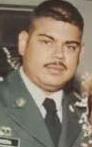
Carlos Cavitt, a 19-year-old from Los Angeles, California, tragically passed away on December 31, 1998. His death was a result of a violent incident that has since been the subject of extensive investigation and legal scrutiny. Carlos was found deceased in a manner that indicated foul play, leading authorities to classify his death as a homicide. The circumstances surrounding his death were particularly harrowing, involving multiple gunshot wounds that ultimately proved fatal.
The
investigation into Carlos Cavitt's murder was intensive, with the Los Angeles County Sheriff's Department taking the lead. Despite the efforts of law enforcement, the case faced numerous challenges, including a lack of immediate witnesses and limited physical evidence at the crime scene. Over the years, several suspects were considered, but concrete evidence to secure arrests or convictions was elusive. The case remained open, with detectives continuing to seek new leads and information from the public.
In the years following Carlos's death, his family pursued justice through various legal avenues. They engaged with community organizations and advocacy groups to keep the case in the public eye, hoping to generate new information that could lead to an arrest. The case also saw involvement from legal professionals who provided pro bono services to assist the family in their quest for justice. Despite these efforts, the case has not seen significant breakthroughs, and Carlos Cavitt's murder remains an unsolved mystery.
The impact of Carlos Cavitt's death extended beyond his immediate family, affecting the broader community in Los Angeles. His case highlighted issues related to gun violence and the challenges faced by law enforcement in solving such crimes. Community leaders and activists have used his story to advocate for stronger measures to prevent similar tragedies and to support families affected by violent crime. The ongoing investigation into Carlos Cavitt's death serves as a reminder of the enduring quest for justice and the importance of community involvement in solving cold cases.