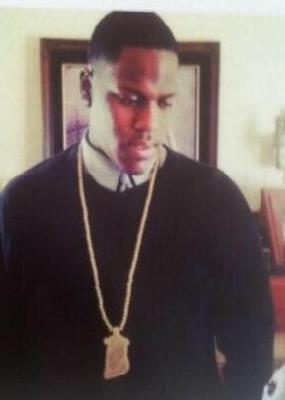
Alfonso Soto Penaloza, a 35-year-old Latino male, was tragically shot and killed on March 14, 2001, in Boyle Heights, Los Angeles. According to the Los Angeles County coroner's records, the incident occurred at 3310 E. 2nd St. The details surrounding his death indicate that he was a victim of gun violence, a common cause of death in the area during that period.
The Los Angeles Police Department (LAPD) was the agency responsible for investigating the case.
The investigation into Alfonso Soto Penaloza's death revealed that he was shot multiple times, leading to his immediate demise. Despite the efforts of law enforcement, the case faced significant challenges. The initial investigation did not yield any immediate arrests or suspects. The lack of witnesses and the prevalent gang activity in Boyle Heights at the time complicated the investigation further. The LAPD continued to pursue leads, but the case eventually went cold due to insufficient evidence and the inability to identify the perpetrators.
Over the years, the case of Alfonso Soto Penaloza remained unsolved, with no significant breakthroughs. The community and his family were left without closure, as the murderers were never brought to justice. The case highlights the broader issue of unsolved homicides in Los Angeles, particularly in neighborhoods plagued by gang violence and limited cooperation from witnesses due to fear of retaliation.
In terms of litigation and legal proceedings, there were no notable lawsuits or court cases directly related to Alfonso Soto Penaloza's death. The lack of suspects and arrests meant that the case did not progress to the stage of criminal trials or civil suits. The LAPD's cold case unit periodically reviewed the case, hoping for new evidence or tips that could lead to a resolution, but as of now, the murder of Alfonso Soto Penaloza remains an open and unsolved case.
The tragic death of Alfonso Soto Penaloza serves as a somber reminder of the many lives lost to gun violence in Los Angeles. It underscores the ongoing challenges faced by law enforcement in solving such cases and the enduring pain experienced by the families of victims who seek justice and closure.