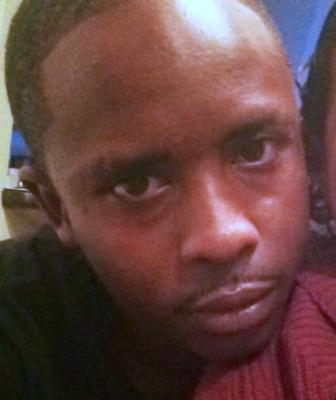
George Patino, a 16-year-old Latino male, tragically lost his life on November 5, 2001, in East Hollywood, Los Angeles. According to the Los Angeles County coroner's records, George was fatally shot, marking a somber day for his family and community. The incident occurred in a neighborhood that has seen its share of violence, and George's death added to the grim statistics of youth lost to gun violence in the area.
The investigation into George Patino's death revealed that he was shot
multiple times, and the case was classified as a homicide. Despite the efforts of law enforcement, the case faced significant challenges. Witnesses were reluctant to come forward, a common issue in areas plagued by gang activity and fear of retaliation. This lack of cooperation hindered the progress of the investigation, making it difficult for detectives to gather crucial information.
Over the years, there have been several developments in the case. Initially, there were no arrests made, and the case went cold. However, renewed efforts by the Los Angeles Police Department (LAPD) and advancements in forensic technology brought some hope. In 2010, nearly a decade after George's death, a suspect was identified through DNA evidence. The suspect, who had a history of gang involvement, was arrested and charged with George's murder. The arrest brought a sense of relief to George's family, who had been seeking justice for years.
The legal proceedings that followed were complex and lengthy. The defense argued that the DNA evidence was not conclusive and that there were other possible suspects. The prosecution, on the other hand, presented a strong case, highlighting the suspect's criminal background and the forensic evidence linking him to the crime scene. After a protracted trial, the suspect was found guilty of second-degree murder and sentenced to 25 years to life in prison.
George Patino's case underscores the challenges faced by law enforcement in solving homicides, especially those involving young victims in high-crime areas. It also highlights the importance of community cooperation and the advancements in forensic science that can help bring justice to victims and their families. While the conviction of George's murderer provided some closure, the pain of his loss continues to be felt by those who knew and loved him.