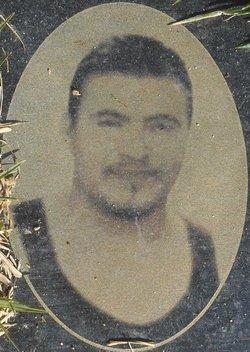
Jose Samuel Bonilla Jr., a 19-year-old Latino male, tragically lost his life on April 23, 2002, in Boyle Heights, Los Angeles. According to the Los Angeles County coroner's records, Bonilla was fatally shot, marking a somber day for his family and community. The incident occurred in a neighborhood known for its challenges with gang violence and crime, which often leaves young lives cut short.
The investigation into Bonilla's death revealed that he was shot multiple times, a clear
indication of a targeted attack. Despite the efforts of law enforcement, the case faced significant hurdles. Witnesses were reluctant to come forward, a common issue in areas plagued by gang activity, where fear of retaliation often silences potential informants. This lack of cooperation made it difficult for detectives to gather crucial evidence and identify suspects.
Over the years, there have been sporadic updates on the case, but no significant breakthroughs. The Los Angeles Police Department (LAPD) has continued to appeal to the public for any information that could lead to the arrest of those responsible for Bonilla's murder. The case remains open, with detectives periodically reviewing it in hopes that new evidence or witness testimonies might emerge.
In the aftermath of Bonilla's death, his family has sought justice tirelessly. They have participated in community outreach programs and vigils, aiming to raise awareness about the impact of gang violence and the importance of community cooperation with law enforcement. Despite their efforts, the lack of arrests or convictions in Bonilla's case has been a source of ongoing pain and frustration.
The legal landscape surrounding Bonilla's murder has seen little movement. No suspects have been formally charged, and the case has not progressed to the courts. This stagnation highlights the broader issues within the criminal justice system when dealing with gang-related homicides, where fear and silence often impede the path to justice.
In summary, the death of Jose Samuel Bonilla Jr. remains an unresolved tragedy. The young man's life was cut short by violence, and despite ongoing investigations, his family and community are still waiting for justice. The case underscores the challenges faced by law enforcement in solving gang-related crimes and the critical need for community involvement in breaking the cycle of violence.