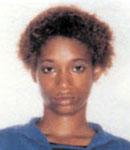
Valerie Louise McCorvey, a 35-year-old woman, was found dead on July 11, 2003, in the Westmont area of Los Angeles, California. Her body was discovered on Denker Avenue between 108th and 109th streets. The cause of death was determined to be ligature strangulation, and her death was classified as a homicide. Valerie McCorvey's murder was particularly notable because she was identified as one of the victims of the notorious serial killer known as the "Grim Sleeper."
The Grim Sleeper,
later identified as Lonnie David Franklin Jr., was a serial killer who operated in Los Angeles from 1985 to 2007. Franklin was arrested on July 7, 2010, after DNA evidence linked him to multiple murders, including that of Valerie McCorvey. At the time of his arrest, Franklin was a 57-year-old former city trash collector and vehicle mechanic who had worked at an LAPD station. He was charged with ten counts of murder and one count of attempted murder, with prosecutors noting that he was eligible for the death penalty.
Franklin's arrest and subsequent trial revealed a disturbing pattern of violence against women, primarily targeting vulnerable individuals in marginalized communities. Valerie McCorvey was believed to be the tenth victim of the Grim Sleeper. Her death, along with the other murders attributed to Franklin, highlighted significant issues within the criminal justice system, including the early release of inmates due to overcrowding. Franklin had been released from jail just two months before McCorvey's murder, despite being sentenced to 270 days for receiving stolen property.
The investigation into Valerie McCorvey's death and the broader case against Lonnie David Franklin Jr. brought attention to the challenges faced by law enforcement in tracking and apprehending serial killers. The use of DNA evidence was crucial in linking Franklin to the murders, ultimately leading to his conviction. The case also underscored the importance of addressing systemic issues within the justice system to prevent similar tragedies in the future.