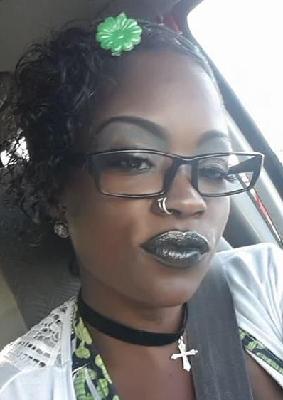
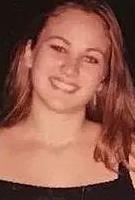
Jacqueline Rodriguez, known affectionately to her friends and family as “Jackie,” was a 17-year-old girl from the Boyle Heights neighborhood of Los Angeles whose life was stolen just months before she would have become an adult. Born on January 6, 1989, Jacqueline was navigating the final year of her teens when she was killed. While her family has not publicly shared details about her school, work, or specific dreams for the future, her death represents the profound loss of a young life full of unfulfilled potential, leaving a permanent void for all who knew and loved her.
The last day of Jacqueline’s life was Tuesday, August 22, 2006. That evening, she was on the 1300 block of Glennfield Court, a small residential cul-de-sac just off North Evergreen Avenue. In a sudden and brutal act of violence that shattered the quiet of the neighborhood, Jacqueline was shot. According to the Los Angeles County coroner’s office, she sustained a fatal gunshot wound. Paramedics and police rushed to the scene, but her injury was too severe. Jacqueline died there on the street, in the neighborhood she called home. The specific time of the shooting and the events that led up to it were not immediately clear in public reports. Investigators were left to determine whether the young woman was the intended target of a calculated attack or an innocent bystander tragically caught in the crossfire of a conflict that had nothing to do with her.
The investigation into the homicide was launched by the Los Angeles Police Department, with detectives from the Hollenbeck Division taking the lead. The Hollenbeck station serves a sprawling, densely populated area east of the Los Angeles River, including Boyle Heights. This historic neighborhood, known for its vibrant murals and deep cultural roots, has also contended with the persistent challenge of street gangs and violent crime for decades. In 2006, the year of Jacqueline's murder, the city of Los Angeles was grappling with a significant number of homicides, and detectives often faced immense pressure and limited resources in solving them.
Investigators at the time described the shooting as possibly gang-related, a tragic but not uncommon occurrence in the area. They believed Jacqueline was standing with a group of people on the street when one or more assailants opened fire before fleeing. A detective noted that it was unclear if Jacqueline or someone else in the group was the intended victim. This ambiguity makes solving such cases incredibly difficult, as the motive can be obscured by street codes of silence or the fear of retaliation. Homicide investigations depend heavily on cooperation from the community, and when witnesses are afraid to come forward, vital information can be lost, and leads can quickly grow cold.
In the years that have passed since Jacqueline was killed, her case has remained unsolved. There have been no public announcements from the LAPD regarding any arrests made, suspects identified, or a definitive motive established. Her death is one of hundreds of unsolved homicides from that period in Los Angeles County, a statistic that represents an ocean of unresolved grief for families left without answers or accountability. For investigators, these "cold cases" are never truly closed, but they become inactive, waiting for a new piece of evidence, a new technology, or a witness who finally decides to break their silence.
The memory of Jacqueline Rodriguez is preserved by those who loved her, but her case has faded from public view, with no reports of vigils, memorials, or rewards offered to help generate new leads. The question of who took her life and why remains unanswered, a painful and lingering mystery for her family. As of August 2007, the last public update on the case, her homicide investigation was ongoing but had yielded no arrests. Without new information coming to light, justice for Jacqueline remains elusive, her story a somber reminder of the devastating and lasting impact of a single moment of violence.