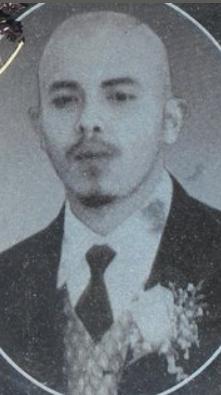
Francisco Alfredo Tomas, a 22-year-old Latino, tragically lost his life on February 27, 2009, in Los Angeles, California. The incident occurred late at night on the 3300 block of East Olympic Boulevard in Boyle Heights. Tomas was walking with two friends around 10:45 p.m. when they were approached by two men who inquired about their gang affiliations. This confrontation quickly escalated into violence, with the suspects opening fire.
Tomas was fatally shot in the chest, while his companions sustained non-life-threatening injuries. The attack appeared to be gang-related, a common issue in the area at the time.
Following the shooting, the Los Angeles Police Department launched an investigation to identify and apprehend the suspects. Despite their efforts, the assailants remained at large for some time. The police continued to search for leads and appealed to the public for any information that could help solve the case. The community's response was mixed, with some residents expressing fear of retaliation if they came forward with information.
The investigation into Tomas's murder faced several challenges, including the reluctance of witnesses to cooperate due to fear of gang reprisals. This hindered the progress of the case, making it difficult for law enforcement to gather sufficient evidence to make arrests. Over time, the case grew cold, with no significant breakthroughs or arrests reported. The lack of cooperation from potential witnesses and the pervasive gang culture in Boyle Heights contributed to the stagnation of the investigation.
In the years following Tomas's death, his family and friends continued to seek justice and closure. They participated in community events and vigils to raise awareness about the impact of gang violence and to honor Tomas's memory. Despite their efforts, the case remained unsolved, highlighting the broader issue of gang-related violence in Los Angeles and the challenges faced by law enforcement in addressing it.
The tragic death of Francisco Alfredo Tomas underscores the devastating effects of gang violence on individuals and communities. It also reflects the difficulties faced by law enforcement in solving such cases, particularly when witnesses are unwilling to come forward. Tomas's story is a poignant reminder of the need for continued efforts to combat gang violence and support affected communities in their pursuit of justice.