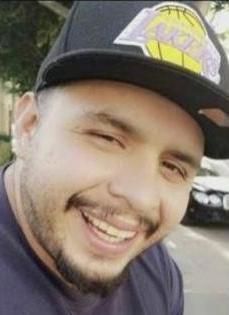
Jacob Jacobo, a 27-year-old man from Los Angeles, California, was tragically found dead on July 9, 2009. His body was discovered in the driver's seat of his car, which was parked on Pico Boulevard in the Arlington Heights neighborhood. The Los Angeles County coroner's office reported that Jacobo had been shot multiple times in the head. The exact time of the shooting remains unclear, but it is believed to have occurred on July 8, 2009.
Police officers on a routine patrol noticed broken glass in the street and subsequently found Jacobo's body, leading to the discovery of the crime scene.
The investigation into Jacob Jacobo's death revealed no immediate suspects or arrests. The case remains unsolved, with no significant leads or breakthroughs reported in the years following the incident. The lack of witnesses and the absence of clear motives have made it challenging for law enforcement to make progress in solving the case. Despite the efforts of the Los Angeles Police Department, the murder of Jacob Jacobo remains a cold case, leaving his family and friends without closure.
In the aftermath of Jacobo's death, there have been no notable litigations or legal actions taken in connection with the case. The investigation has not led to any arrests or charges, and no suspects have been publicly identified. The circumstances surrounding his murder continue to be a mystery, with the community left to grapple with the loss and the unanswered questions about who was responsible for this violent act.
The tragic death of Jacob Jacobo highlights the challenges faced by law enforcement in solving homicides, particularly when there is a lack of evidence and witnesses. The case remains open, and the hope for justice persists, as investigators continue to seek any new information that could lead to the identification and apprehension of the perpetrator.