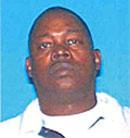
Steven Eugene Washington, a 27-year-old man from Los Angeles, California, was tragically shot and killed by police officers on March 20, 2010. The incident occurred in the Koreatown neighborhood, specifically in the 800 block of South Vermont Avenue. According to the Los Angeles Police Department (LAPD), officers Allan Corrales and George Diego, who were part of an anti-gang unit, were patrolling the area when they heard a loud noise.
They observed Washington walking on the sidewalk and decided to approach him. The officers claimed that Washington did not respond to their commands and appeared to reach into his waistband, leading them to believe he was armed. Consequently, one of the officers fired a single shot, hitting Washington in the head and resulting in his death shortly after midnight.
Washington's death sparked significant controversy and criticism, particularly from his family and community members. His relatives emphasized that he had learning disabilities and was generally fearful of strangers, asserting that he was not violent and was likely walking home after visiting a friend. The fact that no weapon was found on Washington further fueled the outcry against the police's actions. The officers involved were reassigned pending the outcome of an internal investigation.
The LAPD conducted a thorough investigation into the shooting, and the case was reviewed by the civilian commission that oversees the department. LAPD Chief Charlie Beck initially recommended that the commission rule the shooting as justified, citing the officers' belief that they were in imminent danger. However, the commission ultimately disagreed with Beck's assessment, concluding that the officers were wrong in their use of deadly force. This decision was based on the findings that Washington, who was autistic, posed no immediate threat and that the officers had made serious tactical errors during the encounter.
The ruling by the civilian commission marked a rare instance of the oversight body rejecting the police chief's recommendation. The case highlighted ongoing concerns about police use of force, particularly in interactions with individuals with disabilities. Washington's family and supporters continued to advocate for justice and accountability, calling for changes in police training and protocols to prevent similar tragedies in the future. The incident remains a poignant example of the complexities and challenges surrounding law enforcement and community relations.