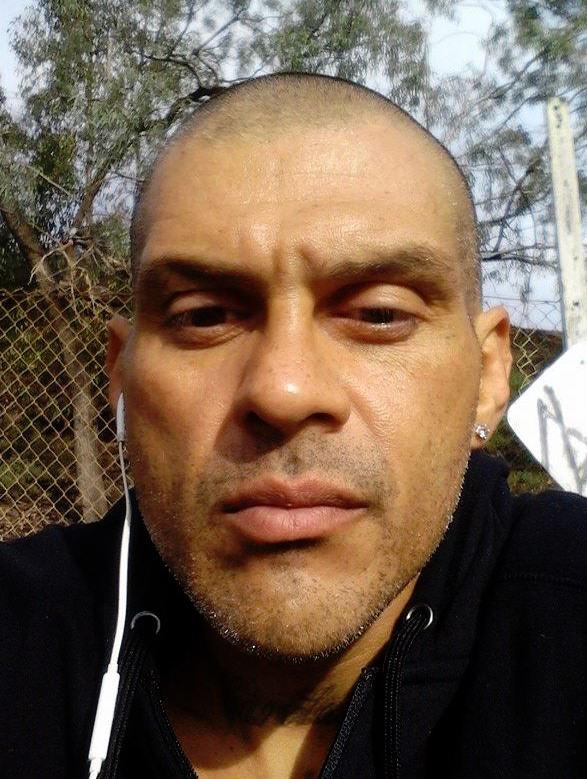
Whitney Henry Yorke, a 32-year-old man, was tragically shot and killed on March 31, 2017, in the Jefferson Park neighborhood of Los Angeles, California. According to the Los Angeles County coroner’s records, Yorke was sitting in a folding chair in front of a home with a friend around 6:15 p.m. when three men approached and fired multiple gunshots, striking him. The suspects fled the scene on foot. Yorke was rushed to a hospital, where he was pronounced dead at 6:58 p.m.
The Los Angeles Police Department (LAPD) believes the shooting was related to recent gang activity in the area.
The investigation into Yorke's death revealed that the shooting was part of a broader pattern of gang violence in Jefferson Park. The LAPD's Criminal Gang Homicide Division took charge of the case, urging anyone with information to come forward. Despite the initial lack of leads, the persistence of law enforcement eventually led to significant developments. On June 29, 2017, Qasim Knox, along with three other men, was charged with one count of murder for the killing of Whitney Henry Yorke. Knox was injured in a gunfight with police during his arrest, which added to the complexity of the case.
The legal proceedings following the arrests were extensive. Knox and his co-defendants faced multiple felony charges, including murder. The court cases highlighted the challenges of prosecuting gang-related crimes, with witnesses often reluctant to testify due to fear of retaliation. Despite these obstacles, the prosecution worked diligently to build a strong case against the suspects. The trial brought to light the violent dynamics within the gang community and the impact of such violence on the broader neighborhood.
Throughout the investigation and subsequent legal battles, the community of Jefferson Park grappled with the loss and the ongoing threat of gang violence. Yorke's death was a stark reminder of the dangers that residents faced daily. Community leaders and law enforcement officials emphasized the need for continued efforts to combat gang activity and provide safer environments for residents. The case of Whitney Henry Yorke remains a poignant example of the human cost of gang violence and the ongoing struggle for justice in affected communities.