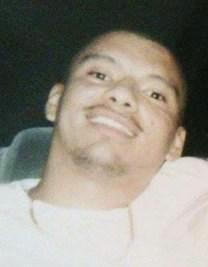
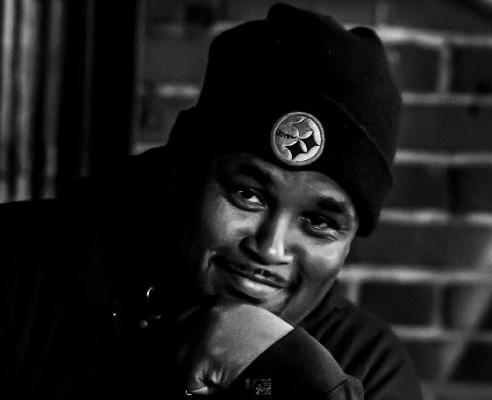
Brandon Hanson, a 34-year-old man from Los Angeles, California, tragically lost his life on May 17, 2010. The incident occurred in the 400 block of North Avalon Boulevard in Wilmington. According to the Los Angeles County coroner's records, Hanson was at a bar when he got into an argument with another individual. The confrontation escalated when the person punched Hanson and subsequently pulled out a gun, shooting him multiple times.
Hanson was rushed to Harbor UCLA Medical Center, where he was pronounced dead later that night.
The investigation revealed that the shooter was Ruben Velasquez, a 26-year-old man. Velasquez was identified after a witness at the bar noted his license plate number, which was then provided to the authorities. Shortly after the shooting, sheriff deputies in Carson tracked down Velasquez and arrested him on suspicion of murder. Velasquez was held at the Men's Central Jail in downtown Los Angeles, awaiting his court appearance.
Further details emerged during the investigation, indicating that Hanson had arrived at the bar with a female companion, Angela Chavez. Chavez left Hanson at the bar and returned with other male friends, including Velasquez. Hanson, feeling that Chavez was giving too much attention to Velasquez, approached her, which led to the fatal altercation. Chavez was later charged with being an accessory after the fact, as she had driven Velasquez away from the scene of the crime. She was held at the Century Regional Detention Facility in Lynwood.
The legal proceedings culminated in March 2011, when Velasquez was convicted of murder and sentenced to 81 years to life in prison. He was credited with 341 days served and will be eligible for a parole hearing after serving 85% of his sentence. Chavez, on the other hand, pleaded guilty to being an accessory after the fact and was sentenced to two years in state prison, with 662 days credited.
This tragic event not only led to the loss of Brandon Hanson but also highlighted the severe consequences of violent confrontations and the legal repercussions that follow. The case serves as a somber reminder of the impact of such incidents on the victims' families and the community.