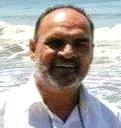
Alvaro Aguirre, a 62-year-old Latino male, tragically lost his life on November 21, 2010, in Boyle Heights, Los Angeles. According to the Los Angeles County Medical Examiner-Coroner's records, Aguirre was shot, leading to his untimely death. The incident occurred in a neighborhood known for its vibrant community but also its struggles with crime. The details surrounding the shooting were initially sparse, with authorities working diligently to piece together the events that led to Aguirre's
death.
In the aftermath of the shooting, the Los Angeles Police Department launched an investigation to identify the perpetrator(s) and uncover the motive behind the crime. The investigation faced several challenges, including a lack of immediate witnesses willing to come forward and provide crucial information. Despite these obstacles, law enforcement officials remained committed to solving the case, employing various investigative techniques and appealing to the public for assistance.
As the investigation progressed, there were no immediate arrests or suspects publicly identified in connection with Aguirre's murder. The case highlighted the broader issues of violence and safety in certain areas of Los Angeles, prompting community leaders and residents to call for increased efforts to address these concerns. The lack of resolution in Aguirre's case also underscored the difficulties that law enforcement agencies often face in solving homicides, particularly in communities where fear of retaliation can hinder cooperation with authorities.
Over the years, the case of Alvaro Aguirre's murder has remained a poignant reminder of the ongoing challenges in ensuring justice for victims of violent crimes. While there have been no significant updates or breakthroughs reported in the public domain, the case continues to be a part of the broader narrative of efforts to combat crime and improve safety in Los Angeles. The memory of Alvaro Aguirre and the quest for justice in his case serve as a testament to the enduring impact of such tragedies on families and communities.