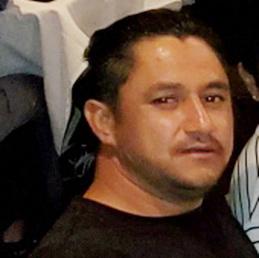
Arlie Druen, a 33-year-old resident of Stockton, California, tragically lost his life on May 17, 2013. Druen was fatally shot multiple times in his home located in the 700 block of South Central Avenue in Lodi. The incident occurred around 7:45 p.m., and despite being rushed to Lodi Memorial Hospital, Druen succumbed to his injuries. This marked the first homicide in Lodi for the year 2013.
The police investigation quickly led to the arrest of Druen's roommate, Richard Welker, who was also 33 years old at the time. Welker was taken into custody on suspicion of voluntary manslaughter and for being a felon in possession of a firearm and ammunition.
The case was initially treated as voluntary manslaughter because detectives believed the shooting was not intentional. However, the investigation remained open to the possibility that new evidence could alter this assessment. Welker was arraigned in the Stockton branch of the San Joaquin County Superior Court, where he faced serious charges. The legal proceedings revealed that Welker claimed the shooting was accidental, but the authorities were cautious in their statements, indicating that the shooting was not intentional but stopping short of labeling it an accident.
As the case progressed, Welker was charged with murder, facing the possibility of a life sentence if convicted. The court proceedings were closely followed, and in October 2013, a San Joaquin County Superior Court judge ruled that Welker would stand trial for murder. The trial brought to light various aspects of the incident, including the nature of the relationship between Druen and Welker and the circumstances leading up to the fatal shooting.
In February 2014, Welker entered a guilty plea to the charges, which significantly impacted the legal outcome. The plea agreement and subsequent sentencing marked the conclusion of the legal battle surrounding Druen's death. The case highlighted the complexities of legal interpretations in incidents involving firearms and the challenges faced by law enforcement in determining intent and culpability in such cases.