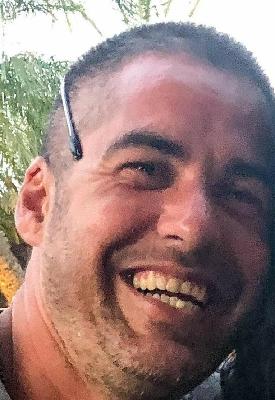
Angelo Armani Eppolito-Autry, a 28-year-old contractor, was tragically shot and killed on April 12, 2014, in the upscale neighborhood of Benedict Canyon, Los Angeles. His body was discovered around 4 p.m. by a business associate in the entryway of his studio apartment on Westwanda Drive. According to the Los Angeles County coroner’s records, Eppolito-Autry had sustained multiple gunshot wounds and was pronounced dead at the scene shortly after his discovery.
Neighbors reported hearing gunshots around 3:30 p.m., which prompted the investigation by the Los Angeles Police Department (LAPD).
Eppolito-Autry was known for hiring individuals to assist with various construction projects. In the weeks leading up to his death, he had terminated the employment of several workers, including Gerson Davis Sanchez, a 31-year-old Latino man. The termination led to an ongoing dispute over money between Eppolito-Autry and Sanchez. On April 13, 2014, Sanchez was arrested in Lakewood on suspicion of murder. The LAPD reported that Sanchez was taken into custody without incident and was held without bail pending his arraignment.
The investigation revealed that the motive behind the murder was likely related to the financial dispute between Eppolito-Autry and Sanchez. Detectives worked tirelessly to gather evidence and testimonies from witnesses to build a strong case against Sanchez. The arrest and subsequent legal proceedings were closely monitored by the media, given the high-profile nature of the case and the affluent area where the crime occurred.
Sanchez's arraignment took place on April 15, 2014, where he faced charges of first-degree murder. The court proceedings attracted significant attention, with many following the case to see if justice would be served for Eppolito-Autry. The LAPD continued to urge anyone with additional information to come forward to aid in the investigation, ensuring that all aspects of the case were thoroughly examined.
The tragic death of Angelo Armani Eppolito-Autry highlighted the potential dangers faced by individuals in the construction industry, particularly when financial disputes arise. The case served as a reminder of the importance of resolving conflicts amicably and the devastating consequences that can result from unresolved disputes.