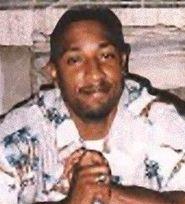
Davion Deshawn Branch, a 25-year-old man from Compton, California, was tragically shot and killed on November 16, 2014. The incident occurred in the 2400 block of West Tichenor Street, where Branch resided. According to reports, the fatal shooting was the result of a heated argument between Branch and his older brother, Dion Landry. The altercation escalated when Landry left the scene, only to return with a firearm.
Upon his return, Landry confronted Branch in the backyard of their mother's home and opened fire, resulting in Branch's death.
The Los Angeles County Sheriff's Department responded to the scene following reports of a gunshot victim. Upon arrival, deputies found Branch suffering from multiple gunshot wounds. Despite their efforts, Branch succumbed to his injuries. A handgun was recovered at the scene, and Landry was promptly arrested on suspicion of murder. The case was subsequently handed over to the Los Angeles County District Attorney's office, which charged Landry with one count of murder.
During the legal proceedings, Landry pleaded not guilty to the murder charge. However, on March 3, 2015, he entered a no-contest plea to a reduced charge of voluntary manslaughter. This plea agreement included an admission of a special allegation of personally using a firearm in the commission of the crime. As a result, Landry was sentenced to 15 years to life in prison. The sentencing took place in Compton Superior Court, where the judge considered the circumstances surrounding the case, including the familial relationship between the victim and the perpetrator.
The tragic death of Davion Deshawn Branch highlights the devastating impact of familial violence and the severe consequences that can arise from such conflicts. The case also underscores the importance of addressing underlying issues that may lead to such violent outbursts, as well as the need for effective intervention and support mechanisms to prevent similar tragedies in the future.