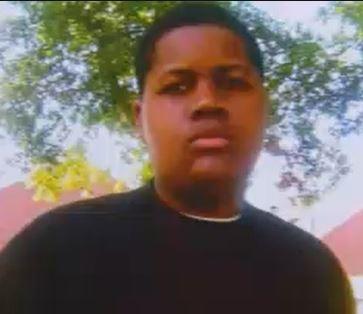
William Scott "Bill" Klug, a 39-year-old professor of mechanical and aerospace engineering at UCLA, tragically lost his life on June 1, 2016, in a shooting incident at his office in the Engineering IV building on the UCLA campus. Klug, who was known for his brilliance, kindness, and dedication to his students and family, was shot by Mainak Sarkar, a former Ph.D. student under his supervision.
The incident was a murder-suicide, with Sarkar taking his own life immediately after killing Klug.
The motive behind the shooting was rooted in personal grudges and alleged theft of intellectual property. Sarkar had accused Klug of stealing his computer code and giving it to someone else, a claim that was described by those familiar with the situation as unfounded and psychotic. Despite these accusations, Klug had been supportive of Sarkar, helping him complete his dissertation and graduate. Sarkar's mental health issues, including severe depression, played a significant role in the tragic events.
In the aftermath of the shooting, a massive police response ensued, with the UCLA campus placed on lockdown. Authorities discovered a "kill list" at Sarkar's home in Minnesota, which included Klug's name, another UCLA professor, and a woman later identified as Sarkar's estranged wife, Ashley Hasti. Hasti was found dead in her Minnesota home, having been killed by Sarkar days before the UCLA shooting. This discovery highlighted the extent of Sarkar's troubled state and the premeditated nature of his actions.
The investigation into the shooting revealed that Sarkar had driven from Minnesota to Los Angeles with the intent to carry out the attack. The incident not only shocked the UCLA community but also raised concerns about campus safety and the mental health of students. Klug's death was a significant loss to the academic community, as he was highly respected for his contributions to computational biomechanics and the mechanics of biological systems. His research had led to a better understanding of the life cycles of viruses such as HIV, and he was deeply committed to his family and faith.