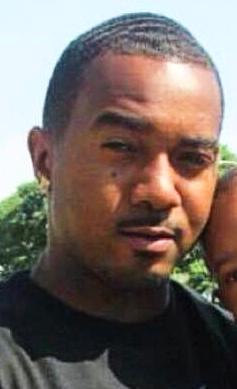
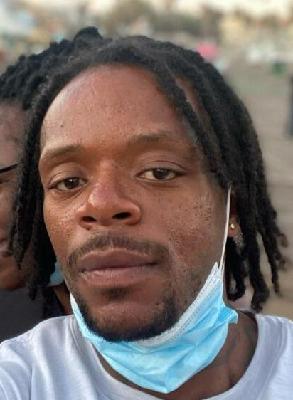
Renzo Alvarado, a 16-year-old from Los Angeles, California, tragically lost his life on April 27, 1999. The circumstances surrounding his death were initially shrouded in mystery, as it was staged to appear as a murder-suicide. Renzo, along with his father Rudolfo Alvarado, stepmother Eva Veronica, and younger half-brother Victor, were all found shot in their Hyde Park home.
The murder weapon was placed in Renzo's hand, leading investigators to initially classify the incident as a murder-suicide.
However, the case took a significant turn in 2015 when Renzo's half-sister came forward with new information. This led to the arrest of Saulo Cesar Alvarado, Renzo's older half-brother, who was 16 at the time of the murders. Saulo had been deported to Guatemala after a 2003 rape conviction but was extradited back to the United States to face charges for the 1999 killings. In April 2018, Saulo was convicted of first-degree murder for the deaths of his family members. The jury also found him guilty of two counts of lewd acts on a child, involving a then-underage family member.
During the trial, it was revealed that each victim had been shot in the head, and Saulo had meticulously staged the scene to implicate Renzo. The prosecution argued that Saulo committed the murders because he felt unloved and wanted to eliminate the source of his pain. The defense, however, questioned the reliability of the witnesses and suggested the possibility of false memories. Despite these arguments, the jury found Saulo guilty, and he was sentenced to life in prison without the possibility of parole. The judge noted that Saulo would be entitled to a parole hearing in 25 years due to his age at the time of the crime, but expressed doubt that he should ever be released.
The case highlighted significant issues within the initial investigation, with criticisms directed at the Los Angeles Police Department for their handling of the case. The judge pointed out that institutional racism and indifference may have played a role in the inadequate investigation, which initially classified Renzo's death as a suicide. The case was eventually solved thanks to the persistence of Renzo's half-sister and the efforts of detectives who revisited the case years later.