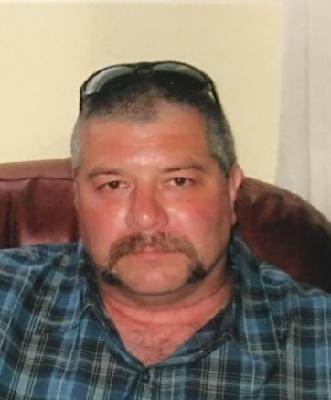
Robert James Holtsclaw, a 58-year-old resident of Alderpoint, California, was tragically killed on September 23, 2017. His death was the result of a high-velocity bullet wound, which forensic pathologist Dr. Mark Super described as being caused by a unique type of ammunition designed to inflict maximum damage. The bullet, a 30-caliber rifle round, entered Holtsclaw's upper left arm, shattered the bone, and then passed into his upper left chest, grazing his heart and tearing a main coronary artery before stopping in the right chest wall. This type of bullet, made of pure copper with a hollow point, was noted for its ability to cause extensive internal damage by expanding upon impact, creating a wider wound track.
The investigation into Holtsclaw's death led to the arrest and trial of Zachary Cordell Harrison. Harrison was accused of shooting Holtsclaw while he was sitting in his pickup truck after returning from a horseshoe tournament. The only eyewitness to the shooting, Tory Hennings, testified that Harrison fired the fatal shot. Harrison was found hiding in a trailer with six copper 30-30 bullets, similar to the one used in the shooting, under a dining room chair cushion.
During the trial, Harrison's defense argued that there was no direct evidence linking him to the shooting, despite the forensic evidence and eyewitness testimony. However, the jury found Harrison guilty of first-degree murder. On November 18, 2019, he was sentenced to 50 years to life in state prison, with an additional 25 years for the personal use of a firearm during the commission of the crime. Harrison's lack of remorse and his attempt to evade law enforcement for nearly nine months before his capture were significant factors in his sentencing.
The case had a profound impact on Holtsclaw's family, who expressed their grief and pain during the sentencing. Holtsclaw's sister and daughter spoke about the emotional toll his death had taken on them, highlighting the devastating effects of the murder on their lives. Despite the conviction, the motive behind the shooting remains unclear, with some speculation that Harrison may have intended to shoot Hennings instead.