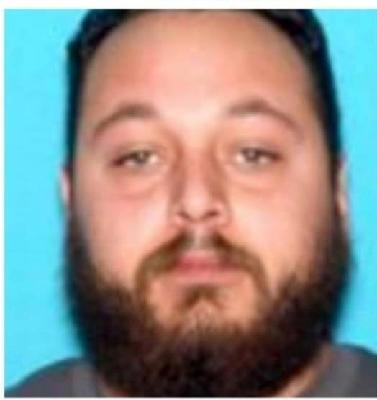
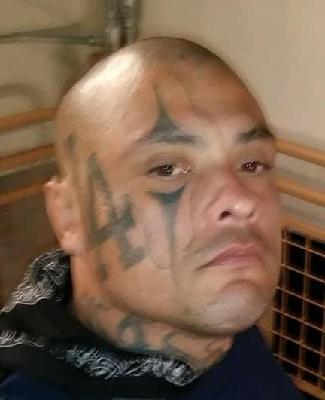
Lee Otis Calhoun, aged 41, tragically lost his life on December 18, 2020, in San Bernardino, California. The incident occurred on a Friday night when police responded to reports of a shooting on the 600 block of North Crescent Avenue. Upon arrival, officers found two individuals suffering from gunshot wounds. Calhoun was transported to a hospital, where he later succumbed to his injuries. The other victim's condition was not disclosed.
This incident marked one of the many homicides in San Bernardino that year, contributing to a significant increase in the city's homicide rate amid the COVID-19 pandemic.
The motive behind the shooting remains unclear, and no arrests have been made in connection with Calhoun's death. The San Bernardino Police Department has urged anyone with information about the case to come forward, highlighting the ongoing nature of the investigation. Despite the lack of immediate leads, authorities continue to seek justice for Calhoun and his family, emphasizing the importance of community cooperation in solving such crimes.
Calhoun's death is part of a broader trend of rising violence in San Bernardino and other cities during the pandemic. The city experienced a notable increase in homicides in 2020, with the total number of cases significantly higher than the previous year. This surge in violence has been attributed to various factors, including economic hardship, social isolation, and increased stress levels due to the pandemic. The community's response to these challenges has been critical in addressing the root causes of violence and supporting efforts to reduce crime rates.
In the aftermath of Calhoun's death, there have been no significant developments regarding suspects, arrests, or legal proceedings. The case remains open, and law enforcement continues to investigate potential leads. The lack of progress in the investigation underscores the difficulties faced by police in solving such cases, particularly when witnesses are reluctant to come forward or when there is limited evidence available. The ongoing efforts to bring those responsible to justice reflect the broader challenges of addressing violent crime in communities affected by systemic issues and social disparities.