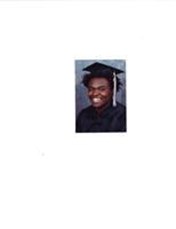
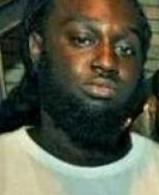
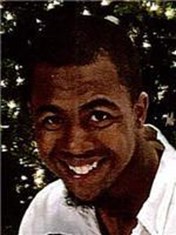
Alvin Antione Holmes, Sr., 25, a Black man from New Orleans, Louisiana, was shot late on the night of December 7, 2014, in the Central City area, on the 2600 block of Danneel Street. The hour was around 10:00 p.m., the kind of time when a neighborhood can feel both familiar and vulnerable at once—porch lights glowing, streets half-quiet, the day winding down.
Somewhere in that stretch of Danneel, violence broke through the ordinary, and Alvin was found at 2605 Danneel Street, leaving the people who loved him to face the terrible shock that comes with news that doesn’t feel real until it is.
By the following day, December 8, 2014, he was gone. The timing, so close to the shooting, turns the timeline into something almost unbearable—one night collapsing into the next, hope shrinking with every hour. It’s the kind of loss that doesn’t simply happen to one person; it ripples outward, pulling family and friends into a sudden afterlife of unanswered questions. A death like that doesn’t arrive with closure. It arrives with silence where a voice should be, absence where a presence used to anchor the room.
Alvin’s story, as it’s been shared here, is not only about the moment he was taken, but about the life that continued to matter in the days afterward. He was a son, a brother, and a father, and those roles don’t end because a life is cut short. They become heavier, sharpened by memory. He had roots in New Orleans and connections that ran through family names, school halls, and the ordinary routines that shape a person’s place in the world. He attended Joseph S. Clark Senior High School, and in the way communities remember their own, that detail means something: a face known once in classrooms, a name spoken by teachers and friends, a young life moving forward with plans no one expects to be interrupted.
The farewell that followed was arranged with the care families gather in grief to provide: visitation at Gertrude Geddes Willis Funeral Home on Jackson Avenue, services afterward, and interment at Holt Cemetery. These are the coordinates of mourning—places where people stand shoulder to shoulder trying to understand what cannot be understood, where prayers and tears sit beside small stories shared in low voices. Funerals are where a community tries to stitch a wound that can’t truly close, offering love in the only way left: showing up, speaking his name, and refusing to let him be reduced to a statistic.
And yet, even as those closest to Alvin laid him to rest, the larger question remained suspended in the air. The information here indicates that his homicide case was still marked open, with no public identification of a suspect and no recorded arrest, charge, trial, or conviction tied to his death. That kind of uncertainty can be its own kind of torment. It stretches grief out across months and years, turning remembrance into something that carries both love and frustration—love for who he was, and frustration that the truth, the accountability, and the answers haven’t arrived in a way that matches the gravity of what was taken.
What remains, when the record is thin and the story ends too soon, is the human weight of his name. Alvin Antione Holmes, Sr. was not simply someone who died. He was someone who lived in New Orleans, someone who had family who claimed him, who had children who will grow up with questions and memories shaped by what they’re told and what they feel. He was part of a neighborhood and a city that knows too well how quickly life can change. In the end, the most enduring thing in a story like this is not the address or the hour—it is the ache of a life interrupted and the quiet determination of the people who continue to carry him forward, still hoping that one day the open case becomes an answered one.