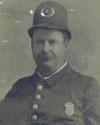
In the summer of 1902, the bustling streets of Long Island City in Queens, New York, became the backdrop for a tragedy that would highlight the perilous nature of police work. Detective Sergeant John J. Sheridan, a 47-year-old man and a respected veteran of the New York City Police Department with 25 years of service, was actively investigating a string of burglaries in the area.
On the fateful day of July 16, Sheridan and his partner were on a plainclothes assignment, a common tactic to discreetly apprehend criminals in the act. Their focus was a gang that had been plaguing the neighborhood.
While on patrol, the two officers spotted a pair of suspicious men. In a strategic move to corner their quarry, Sheridan and his partner decided to separate, aiming to approach the individuals from different directions. It was during this separation that the situation escalated with deadly speed. Confronted by one of the suspects, a violent struggle ensued. Sheridan, in a desperate attempt to defend himself and uphold the law, drew his service weapon. In a cruel twist of fate, the firearm failed to discharge when he pulled the trigger, leaving him defenseless against his armed assailant. The suspect, seizing the opportunity, shot and killed the detective sergeant.
The death of a fellow officer sent shockwaves through the department and the city, prompting an immediate and extensive manhunt for those responsible. The efforts of law enforcement led to the apprehension of three suspects who were subsequently charged with the murder of Detective Sergeant Sheridan. The community and the police department hoped for swift justice for the fallen officer, who was survived by a son and a daughter.
Despite the arrests and the charges brought against the three men, the subsequent legal proceedings did not unfold as anticipated. The case went to trial, where the evidence and testimony were presented before a jury. In a turn of events that was surely devastating to Sheridan's family and colleagues, all three suspects were acquitted of the murder charges. The verdict meant that, in the eyes of the law, no one was held accountable for the death of the dedicated officer. The case, marked by a tragic failure of equipment and a disappointing judicial outcome, remains a somber chapter in the history of the NYPD.